Striped Bass Catch at Cherokee Lake - Tennessee Fishing
Striped Bass Fishing in Cherokee Lake - What to Expect

Fishing, Tours Adventures by Guide Bobby Crabtree in September

- Private Cherokee Lake fishing charters


Summary
Experience an early morning fishing adventure on Cherokee Lake targeting striped bass and hybrid bass with Bobby Crabtree of StriperXtreme Guide Service. This 6-hour guided fishing trip on Monday September delivers prime opportunities to hook productive waters while learning proven striper techniques. All rods, reels, bait and tackle are provided for a complete fishing experience.
Fishing with Bobby Crabtree - Rates & Booking
Guide Bobby Crabtree of StriperXtreme Guide Service on Cherokee Lake offers a 6-hour guided fishing experience targeting striped bass and hybrid bass. The trip launches early around 6 AM to position you on the water during prime feeding times. This package accommodates up to 2 anglers for $500, with room for 3 additional guests at $60 per person each, supporting a maximum of 5 people total.
Everything you need to fish is included: all rods, reels, bait, and tackle are provided and ready to use. The only requirement before your trip is purchasing a valid Tennessee fishing license. Fish cleaning is available as an optional service, allowing you to take your catch home prepared for the table. Contact Bobby ahead of time to confirm your exact meeting time and launch location details. Gratuity of 20 to 25 percent for the guide is suggested. Book online to secure your morning on the water.
Highlights of 6 Hour Morning Cherokee Lake Striped Bass Fishing Charter for Up to 5 Anglers
Cherokee Lake offers exceptional opportunities for striped bass and hybrid bass throughout the year. Morning hours align perfectly with active feeding windows, giving you the best chance to connect with fish using proven techniques. The lake's productive structure and consistent striper populations make this an ideal destination for both experienced anglers and newcomers seeking a quality guided experience.
Bobby works the most fertile areas of Cherokee Lake, putting your lines where stripers hold and hunt. Depending on the season, you may also encounter smallmouth and largemouth bass, adding variety to your morning. The 6-hour duration provides ample time to cover water, learn the environment, and work multiple presentations without rushing the experience.
Local Species Insights: Striped Bass on Cherokee Lake
Striped bass are powerful, aggressive fish that thrive in Cherokee Lake's clear, cool waters. These fish are known for their distinctive horizontal stripes running along their silver sides and their willingness to strike hard when food is present. Stripers typically hunt in schools, meaning success often comes in clusters - once you locate one, others are usually nearby. They respond well to live bait and strategic casting around structure like channel breaks and underwater shelves.
Cherokee Lake's striped bass population grows consistently, and morning hours when water temperatures are coolest bring fish toward shallower feeding zones. Hybrids, a cross between striped bass and white bass, inhabit the same territory and fight with equal enthusiasm. Both species are built for aggressive pursuit, making them exciting targets that test your skills and equipment. The thrill of feeling a striped bass hook and strip line from your reel is what keeps anglers returning to Cherokee Lake again and again.
The lake environment itself plays a role in striper behavior. Cooler waters maintain oxygen levels that keep fish active, and the lake's size provides plenty of territory to explore. Rocky points, main channel ledges, and areas with current movement concentrate stripers. Bobby's local knowledge helps you understand why fish position themselves where they do, turning your morning into both a successful catch and an educational experience about striper ecology and behavior on this water.
Plan Your Fishing Day
Your 6-hour striped bass fishing trip begins around 6 AM, positioning you on the water as light breaks and feeding activity intensifies. Arrive a few minutes early to meet Bobby, discuss conditions, and get comfortable with your assigned rod and tackle setup. All equipment is ready to use - rods are pre-rigged, reels are spooled with line, and bait is fresh and prepared. Your only job is to hold on when a striper strikes.
The trip accommodates up to 5 people comfortably, whether you're coming solo, as a pair, or bringing friends and family. Boat space allows everyone room to fish without crowding. The morning timeline means you'll be off the water by noon, giving you the rest of your day to clean and prepare your catch, explore Rutledge, or simply relax. Bring sunscreen, polarized sunglasses to spot fish, and weather-appropriate clothing - even on warm days, mornings on the water can feel cool before the sun climbs higher. Tennessee fishing license must be purchased before arrival. Contact Bobby in advance to confirm exact launch time and location details for your specific date.
Fishing in Cherokee Lake: Striped Bass

Striped Bass Overview
The Striped Bass (Morone saxatilis), belonging to the family Moronidae and order Perciformes, is one of North America's most celebrated game fish. Known affectionately as "stripers" or "linesiders," these powerful swimmers are instantly recognizable by their distinctive seven to eight dark horizontal stripes running down their silver-green bodies. With colors ranging from light olive to dark brown and black, topped with a shimmering white belly, the Striped Bass is a true trophy for recreational and commercial anglers alike. Found across diverse waters from the Atlantic coast to inland lakes and rivers, these remarkable fish have become legendary in fishing communities from New England to California, thriving in both saltwater and freshwater environments thanks to their remarkable adaptability.
Striped Bass Habitat and Distribution
Striped Bass naturally inhabit coastal waters along the Atlantic Ocean, ranging from Canada all the way south to the Gulf of Mexico. However, their popularity as a game fish has led to widespread introduction across North America, making them available in most major water bodies including rivers, lakes, and coastal areas. The Chesapeake Bay in Maryland stands as the premier striped bass producer, while the Hudson River between New York and New Jersey ranks as the second-most significant population center. On the West Coast, the San Francisco Bay and surrounding coastline offer excellent opportunities, while Colorado's lakes—including Lake Havasu, Lake Mead, Lake Powell, Lake Pleasant, and Lake Mohave—harbor abundant populations. These structure-oriented fish favor areas near reefs, sandbars, drop-offs, and shoreline features where they hunt for prey in moving water, typically remaining within yards of the banks where currents concentrate food sources.
Striped Bass Size and Weight
Striped Bass are impressive specimens that can reach substantial sizes in ideal conditions. Most fish caught by anglers weigh between 20 and 40 pounds, though they commonly grow to 20 inches minimum and up to 55 inches or more in length. The species has been documented reaching weights exceeding 80 pounds, with plump, muscular bodies that make them both visually striking and powerful fighters. Their size varies considerably depending on water temperature, food availability, and age, but what's consistent is their solid build—these aren't slender fish, but rather hefty powerhouses built for strength and endurance in variable water conditions.
Striped Bass Diet and Behavior
As voracious predators, Striped Bass feed primarily on smaller fish including herring, menhaden, mackerel, anchovies, and shad, along with other protein sources like eels, squid, and crustaceans. They're most active during low-light periods—dawn and dusk—when they move into shallower waters to feed. These fish are known for their finicky nature, being selective about what baits they'll accept, though live bait generally outperforms dead offerings because of the natural movement and vibrations that attract their attention. Despite their impressive size and strength, stripers aren't particularly fast swimmers, making them reasonably approachable for skilled anglers. They're also known to create spectacular feeding frenzies, especially during migration periods when they gorge themselves on baitfish pods before traveling long distances.
Striped Bass Spawning and Seasonal Activity
One of the most fascinating aspects of Striped Bass biology is their anadromous nature—they spawn in freshwater despite spending most of their adult lives in saltwater. Each spring, they undertake remarkable migrations, traveling from deeper Atlantic waters off Virginia and North Carolina northward toward spawning grounds in rivers and estuaries like the Delaware River, Hudson River, and Chesapeake Bay. Many populations continue their spring journey all the way to the cool waters of New England and beyond into Canadian territories. These fish prefer moderate temperatures between 55°F and 68°F, so they migrate long distances—sometimes up to 2,000 miles during their lifetime—to maintain their preferred thermal range. In fall, as water temperatures cool, hungry stripers move south again, creating legendary fall migration fishing periods when they aggressively feed to build energy reserves for winter. This migration cycle creates predictable "windows of opportunity" for anglers who understand the species' temperature-driven movements.
Striped Bass Techniques for Observation and Capture
Live Bait Method: Cast live herring, menhaden, mackerel, anchovies, or eels along moving water near structures such as bridge pilings, sandbars, and drop-offs. Fish early morning or late afternoon from piers, bulkheads, or while wading in the surf. The natural movement of live bait triggers strikes from even the most cautious stripers. Around the Chesapeake Bay, live bait drifted through deep channels during slack tide produces excellent results year-round.
Casting and Lure Technique: Use 8- to 14-foot rods with sensitive braided line (monofilament should test at least 20 pounds) to cast artificial lures or live bait into areas where current meets structure. Focus on transitions where shallow water drops off into deeper channels, as stripers patrol these boundaries hunting for disoriented prey. Strip your lure with jerky, erratic movements to mimic wounded baitfish.
Sight Fishing During Migration: During fall migration periods, watch for "baitfish volcanoes"—explosive disturbances at the water's surface where stripers drive baitfish upward. Also watch for diving birds and whale activity, as these natural indicators reveal feeding frenzies. Position yourself upwind or upcurrent from the action and cast into the outer edges of the chaos for best results.
Striped Bass Culinary and Nutritional Notes
Striped Bass is excellent eating, prized for its plump, meaty white flesh and distinctly sweet, delicate flavor reminiscent of its close relative, the Black Sea Bass. Beyond taste, stripers offer impressive nutritional benefits—a 100-gram serving provides approximately 20 grams of high-quality protein and roughly 0.5 grams of omega-3 fatty acids. These essential fatty acids reduce inflammation, support brain function, and help lower cardiovascular disease risk. The fish's firm texture makes it versatile in the kitchen, adapting well to grilling, pan-searing, baking, or poaching. Many chefs prize striped bass fillets for sushi, ceviche, and sophisticated seafood preparations. From a sustainability perspective, farm-raised hybrid striped bass and properly regulated wild catches represent responsible seafood choices when sourced from managed fisheries with size and harvest limits protecting wild populations.
Striped Bass Frequently Asked Questions
Q: What is the best bait for catching Striped Bass?
A: Live bait significantly outperforms dead offerings. Herring, menhaden (bunker), mackerel, eels, anchovies, shad, squid, and bloodworms all work well. The key is fresh, lively bait that creates vibrations and natural movement patterns that trigger predatory responses. Live eels are particularly effective in rivers and around structures.
Q: Where can I find Striped Bass near major fishing destinations?
A: The Chesapeake Bay region offers year-round opportunities with consistent populations. The Hudson River between New York and New Jersey provides excellent spring and fall fishing. Cape Cod, Massachusetts experiences legendary fall runs. West Coast anglers should target San Francisco Bay and Lake Havasu in Arizona. Most major rivers and reservoirs across North America now host established populations.
Q: Is Striped Bass good to eat?
A: Absolutely. Striped Bass is considered a delicacy with sweet, tender white meat that works beautifully in countless preparations. The high protein content and omega-3 fatty acids make it both delicious and nutritious. Many consider it superior to other bass species in terms of culinary quality and health benefits.
Q: When is the best time to catch Striped Bass?
A: You can fish for stripers year-round, but spring (spawning runs) and fall (migration feeding frenzies) provide peak action. Early morning and late afternoon consistently produce better results than midday. Dusk-to-dawn periods are particularly productive as stripers move into shallower feeding zones during low-light hours.
Q: What rod and reel setup do I need for Striped Bass?
A: Use 8- to 14-foot rods with braided line testing at least 20 pounds for strength and sensitivity. Braided line's minimal stretch helps with hook-setting and feel, though quality monofilament works if you ensure adequate test strength. Spinning or conventional reels both work well depending on your fishing style and location.
Q: Why are they called "Stripers"?
A: The name derives directly from the distinctive seven to eight dark horizontal stripes running along their bodies from behind the gills to the tail base. These striking markings make them instantly identifiable and have earned them the affectionate nickname "stripers" among fishing communities.
More species you can explore on this trip
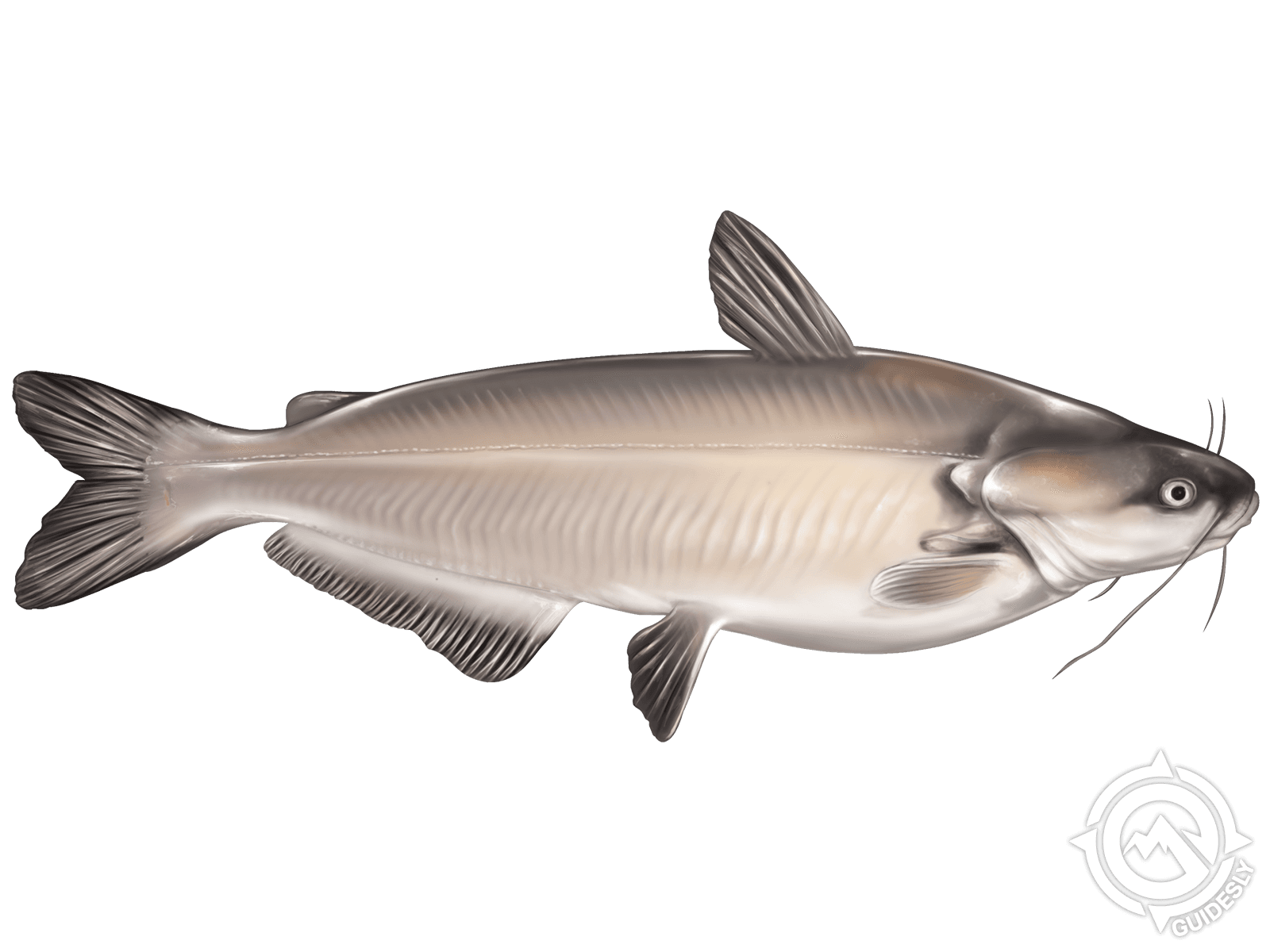


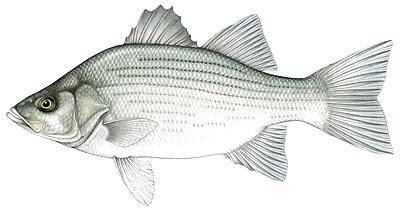
StriperXtreme Guide Service Available Trips
The fishing boat is set up specifically for comfortable, productive striping. You'll notice the open layout that gives everyone plenty of room to move and cast without getting tangled up with other anglers. The deck has secure footing even when the water gets choppy, and there's organized storage for rods and tackle so everything stays accessible and protected. The captain's console sits up high, allowing Bobby clear sight lines to work the water while you focus on fishing. Rod holders are positioned around the boat's perimeter, ready for your setup or for lines soaking while you rest between casts. The boat handles the early morning conditions well, maintaining stability whether you're working shallow structure or running toward deeper areas. You'll appreciate the space to move around, the thoughtful setup for multiple anglers, and the fact that everything on deck is designed around successful striper fishing rather than flashy extras.