%2Ffit-in%2F250x250%2Fguide_websites%2F120700%2Fimages%2F1772705122748image.png&w=1920&q=100)
/users/b5777ef1-ae9a-4698-b3ec-b5740489539c/ratecard/1-mmd9n7sz.jpg)
%2F300x300%2Fusers%2Fb5777ef1-ae9a-4698-b3ec-b5740489539c%2Fratecard%2F1-mmd9n7sz.jpg&w=256&q=75)
%2F300x300%2Fusers%2Fb5777ef1-ae9a-4698-b3ec-b5740489539c%2Fimages%2Fstriped-bass-rutledge-tennessee-fishing-2642.jpg&w=256&q=75)
%2F300x300%2Fusers%2Fb5777ef1-ae9a-4698-b3ec-b5740489539c%2Fimages%2Frutledge-striped-bass-fishing-tour-2651.jpg&w=256&q=75)
%2F300x300%2Fusers%2Fb5777ef1-ae9a-4698-b3ec-b5740489539c%2Fimages%2Frutledge-tn-striped-bass-catch-2596.jpg&w=256&q=75)
%2F300x300%2Fusers%2Fb5777ef1-ae9a-4698-b3ec-b5740489539c%2Fimages%2Frutledge-striped-bass-fishing-trip-2579.jpg&w=256&q=75)
%2F300x300%2Fusers%2Fb5777ef1-ae9a-4698-b3ec-b5740489539c%2Fimages%2Frutledge-striped-bass-catch-2672.jpg&w=256&q=75)
%2F300x300%2Fusers%2Fb5777ef1-ae9a-4698-b3ec-b5740489539c%2Fimages%2Frutledge-tn-striped-bass-fishing-2645.jpg&w=256&q=75)
%2F300x300%2Fusers%2Fb5777ef1-ae9a-4698-b3ec-b5740489539c%2Fimages%2Fstriped-bass-rutledge-tn-fishing-2816.jpg&w=256&q=75)
%2F300x300%2Fusers%2Fb5777ef1-ae9a-4698-b3ec-b5740489539c%2Fimages%2Frutledge-striped-bass-catch-2662.jpg&w=256&q=75)
%2F300x300%2Fusers%2Fb5777ef1-ae9a-4698-b3ec-b5740489539c%2Fimages%2Fflathead-catfish-rutledge-tennessee-fishing-2770.jpg&w=256&q=75)
%2F300x300%2Fusers%2Fb5777ef1-ae9a-4698-b3ec-b5740489539c%2Fimages%2Fblue-catfish-rutledge-tn-fishing-2752.jpg&w=256&q=75)
Cherokee Lake Bass Fishing StriperXtreme Guide
 Cherokee Lake
What you will be catching:
 Blue Catfish
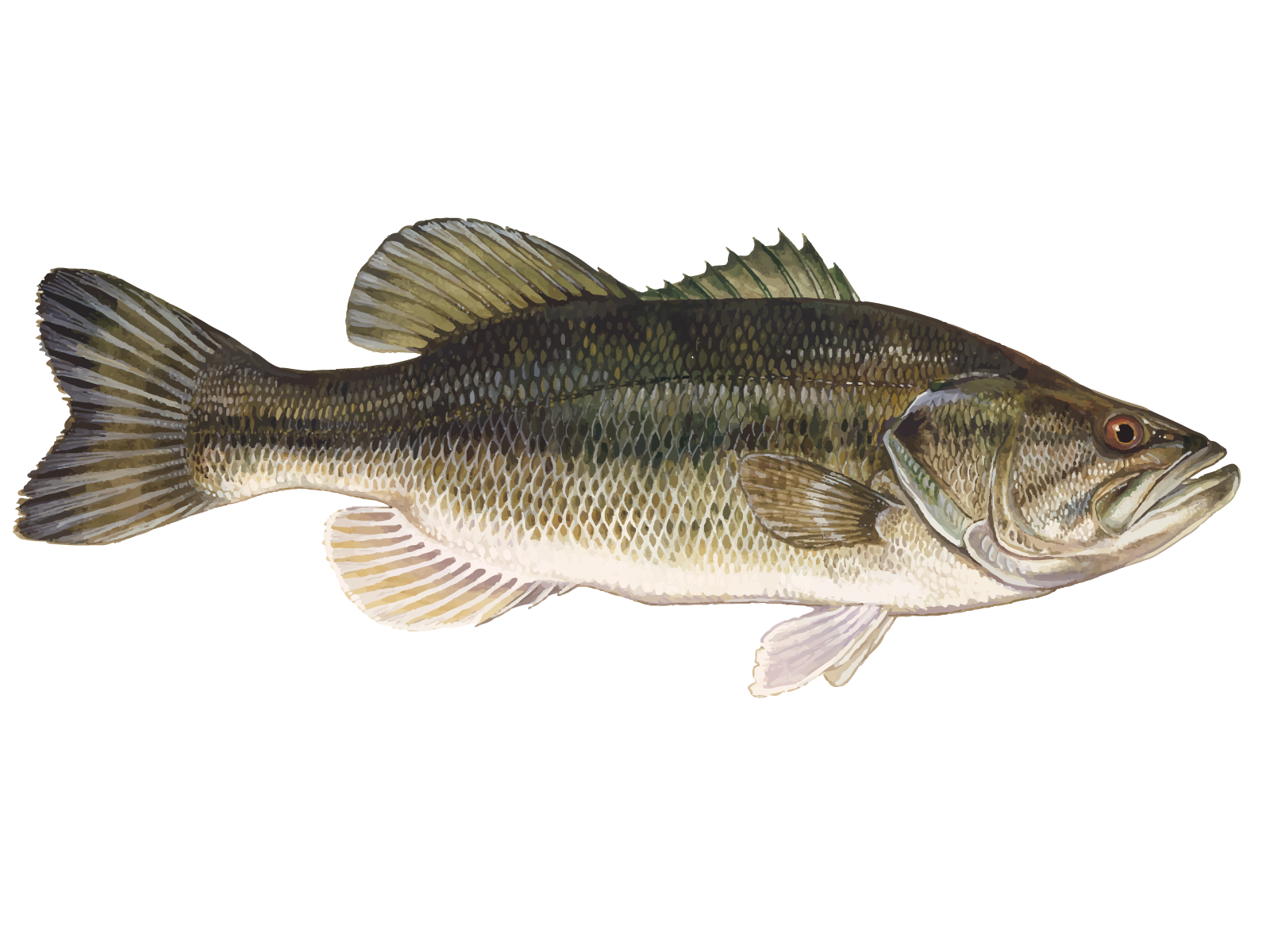 Largemouth Bass
 Smallmouth Bass
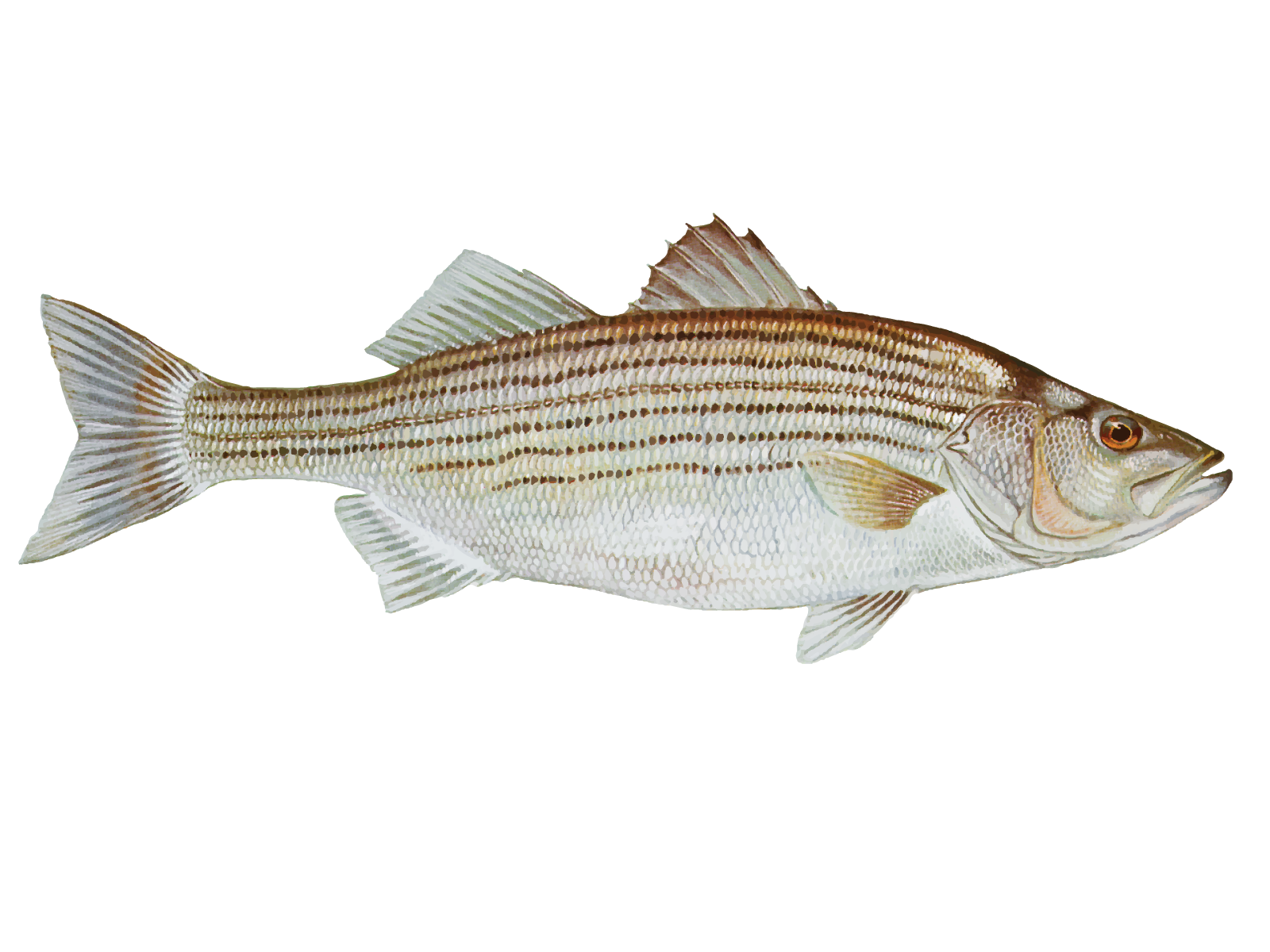 Striped Bass
 White Bass
- Join Captain StriperXtreme for an early morning hunt on Cherokee Lake, where striped bass and hybrids are the main target. This 3-hour trip kicks off at 6 AM when the fish are most active. We'll also work likely spots for smallmouth and largemouth bass as conditions allow. All your gear is covered
- rods, reels, bait, and tackle
- so you just need to bring your Tennessee fishing license and be ready to fish. The boat handles up to 5 anglers, making it perfect for couples or small groups. Fish cleaning service available if you want to take your catch home. Cherokee Lake's clear waters and diverse structure make for consistent action year-round.
Trip Pricing and Availabilities:
3 Hour Cherokee Lake Striped Bass Fishing Trip
There's something special about Cherokee Lake at dawn - the mist rolling off the water, the quiet hum of anticipation, and knowing you're about to spend three solid hours chasing some of Tennessee's finest stripers. This top-rated fishing adventure with StriperXtreme Guide Service puts you right in the heart of Cherokee Lake's best bass action, starting at 6 AM when the fish are most active. Whether you're a seasoned angler or just getting your feet wet, this trip delivers the kind of authentic Tennessee fishing experience that keeps guests coming back season after season.
What to Expect on the Water
Your morning kicks off early with a meet-up at the launch - don't worry, Captain will call you the day before to nail down the exact time and spot. Cherokee Lake's got multiple access points, and he knows exactly where the fish are holding based on current conditions. At $400 for up to two anglers, this world-class experience includes everything you need: rods, reels, all the tackle, and fresh bait. Got more folks who want in on the action? No problem - you can bring up to five total at $60 per extra angler. Just remember to grab your Tennessee fishing license beforehand, and if you want your catch cleaned for the cooler, that service is available too. Most guests tip 20-25% when the Captain puts them on fish, which around here, happens more often than not.
Techniques & Tackle Setup
Cherokee Lake fishing is all about reading the water and adapting your approach. Early morning typically means working topwater lures around points and creek mouths where stripers push baitfish to the surface. As the sun climbs higher, Captain switches tactics - maybe dropping down to umbrella rigs or live bait near suspended schools he's marking on the electronics. The lake's structure is perfect for this kind of fishing: plenty of submerged timber, creek channels that hold baitfish, and deep water nearby where stripers can stage. You'll learn how to work different depths, from shallow flats where hybrids feed aggressively to deeper ledges where the big stripers cruise. The gear provided handles everything from finesse presentations to the heavy pulling power you need when a 20-pound striper decides to make a run toward the bottom.
Top Catches This Season
Cherokee Lake's striped bass are the main event here, and for good reason. These fish show up in strong numbers during spring and fall, with the best action happening in low-light conditions - which is exactly when this trip runs. Stripers in Cherokee typically range from 3 to 15 pounds, though bigger fish cruise these waters year-round. They're aggressive feeders that'll hit everything from live shad to artificial lures, and when you hook one, you'll know it immediately. The fight is what draws anglers from across the Southeast - these fish make long runs and fight hard right to the boat.
Hybrid bass are another customer favorite, especially during summer months when they school up and feed heavily. These cross-bred fighters pack the attitude of a striper with the scrappiness of a white bass. They're typically smaller than pure stripers, running 2 to 6 pounds, but they make up for size with pure aggression. Hybrids often travel in larger schools, so when you find them, you can expect steady action.
Largemouth bass add variety to the mix, particularly around Cherokee Lake's abundant cover. Spring and early summer offer the best largemouth fishing, when these bass move shallow for the spawn and post-spawn feeding. They're ambush predators that love to hide in timber and vegetation, making every cast an adventure. Cherokee's largemouth average 2 to 5 pounds, with the occasional lunker pushing into trophy territory.
Smallmouth bass thrive in Cherokee's clearer, rockier sections and provide some of the most exciting fights pound-for-pound. These bronze-backed battlers prefer cooler water and rocky structure, making them most active during spring, fall, and early morning summer trips. A 3-pound smallmouth fights like a fish twice its size, jumping and making powerful runs that'll test your drag system.
Blue catfish round out the possible catches, especially when targeting stripers with cut bait or live shad. Cherokee Lake's blue cats can reach impressive sizes - 10 to 30 pounds isn't uncommon - and they provide a completely different fishing experience. These bottom-dwellers are strong, steady fighters that use their weight and the lake's current to their advantage. They're most active during warmer months and often bite best during the heat of the day when other species slow down.
Why Anglers Keep Coming Back
Cherokee Lake consistently produces fish, but it's the variety and quality that keeps this trip trending among serious anglers. The lake's 30,000+ acres offer endless fishing opportunities, from main lake points where stripers chase shad schools to quiet coves where largemouth lurk in the shadows. Water clarity varies throughout the lake, creating different fishing scenarios that keep every trip interesting. The thermal patterns here are textbook - cold water from the depths mixing with warmer surface water creates the kind of conditions that concentrate baitfish and activate predators. Plus, Cherokee's location in East Tennessee means it benefits from both mountain runoff and stable water levels, creating ideal habitat for multiple bass species year-round. Captain knows these waters inside and out, from the seasonal migration patterns to the specific structures that hold fish during different weather conditions.
Time to Book Your Spot
If you're ready to experience what makes Cherokee Lake a renowned bass fishing destination, this three-hour trip delivers everything you're looking for. The combination of expert guidance, top-tier fishing, and reasonable pricing makes it a best trip choice for anglers of all skill levels. Whether you're after the powerful runs of a Cherokee Lake striper, the aggressive strikes of hybrid bass, or the variety that comes from targeting multiple species, this adventure puts you in the right place at the right time.
Learn more about the animals
Blue Catfish
Blue catfish are Cherokee Lake's gentle giants, often reaching 25-40 inches and weighing 15-50 pounds or more. These slate-blue bruisers prefer deep holes, creek channels, and muddy bottoms where they scavenge along the bottom. They bite year-round but really turn on during warmer months when they're most active. What draws folks to blue cats is their impressive size and steady, powerful fight - no crazy runs, just pure strength. They're also outstanding eating with mild, flaky meat that's perfect for frying or grilling. Fresh cut bait like skipjack or shad works best - let it sit on the bottom and be patient. Pro tip: fish the deeper channel bends where current washes food down to them.
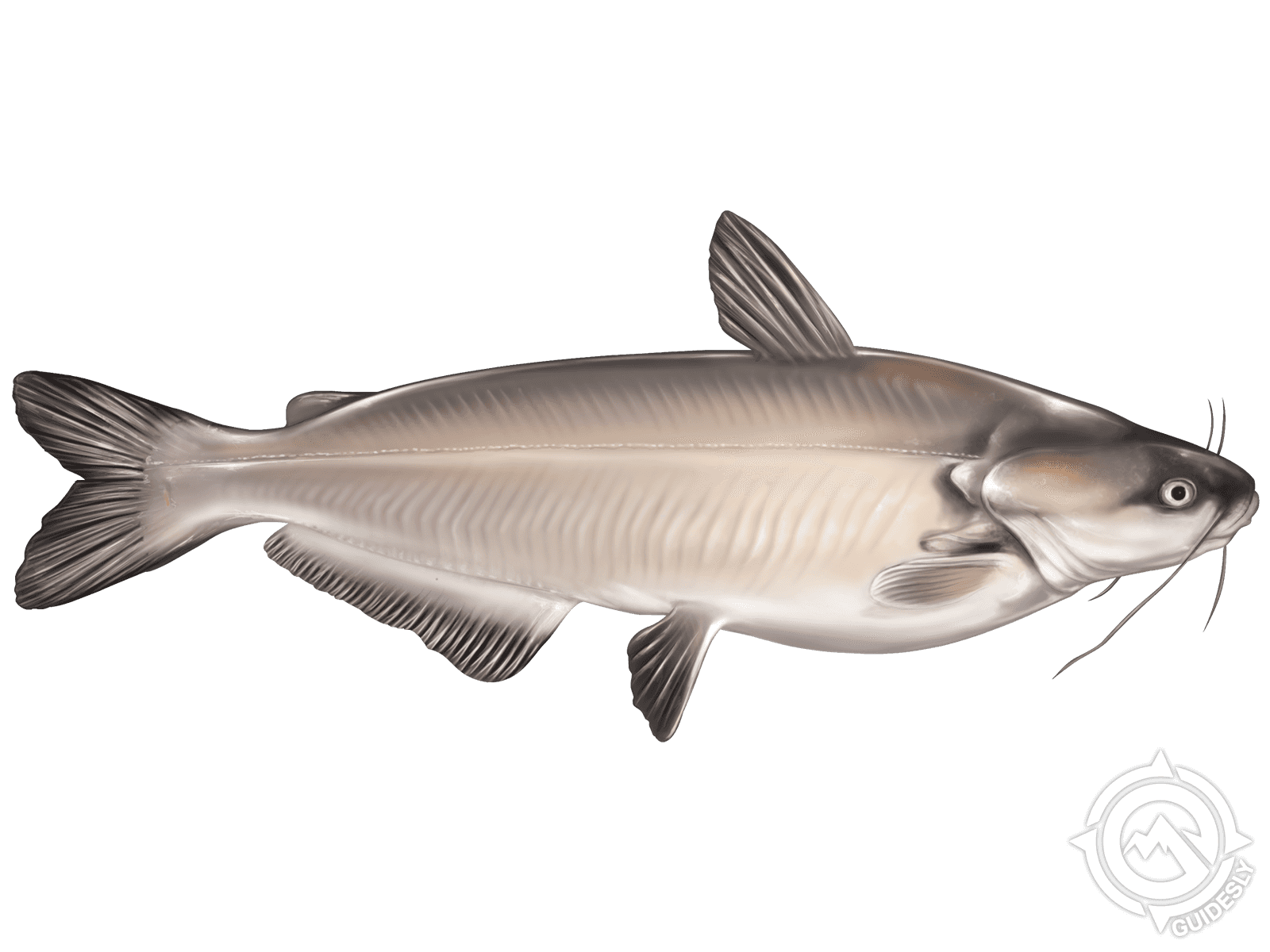
Largemouth Bass
Cherokee Lake's largemouth bass typically run 12-24 inches and weigh 1-4 pounds, though we see bigger ones regularly. These olive-green fighters love hanging around structure - fallen trees, weed beds, and rocky points where they can ambush prey. Spring and fall are prime time when they're shallow and aggressive, but summer finds them deeper in cooler water. What makes them special is that famous mouth that extends past their eyes and the serious fight they put up once hooked. They're also excellent eating when kept from clean water. My go-to trick here is throwing a Texas-rigged plastic worm right into heavy cover where most folks won't cast - that's where the big ones hide.
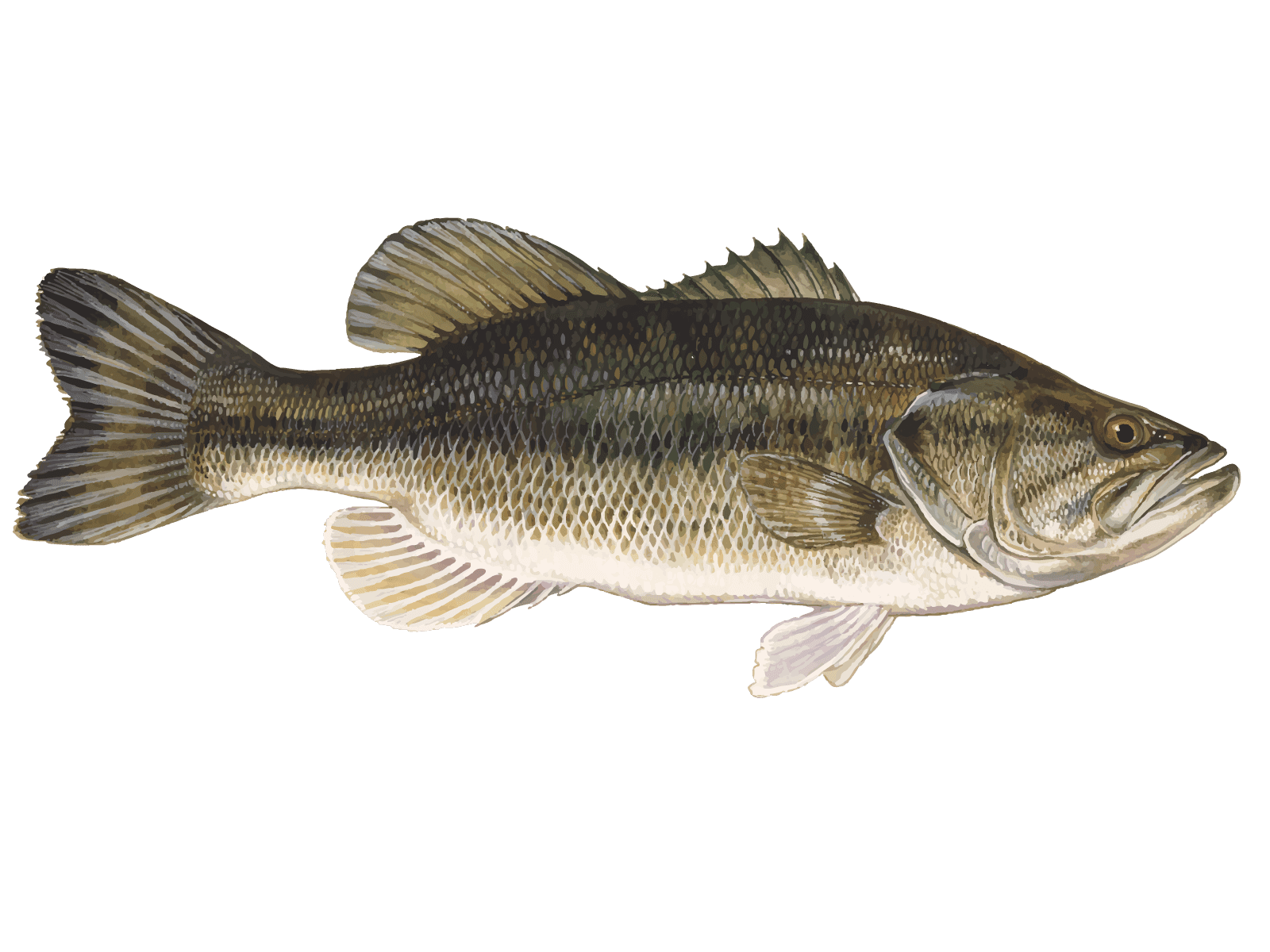
Smallmouth Bass
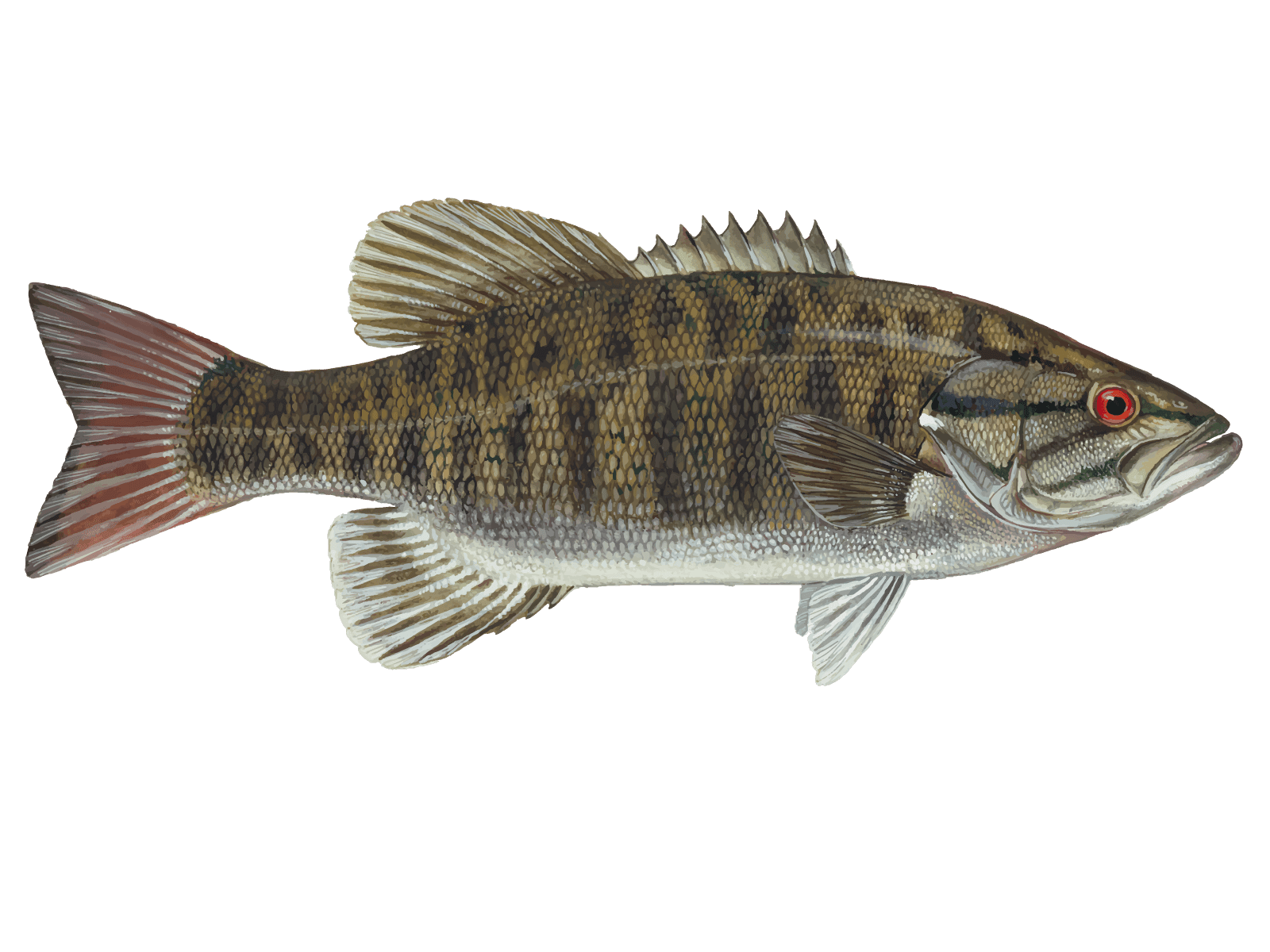
Smallmouth bass are pound-for-pound the hardest fighting fish in Cherokee Lake. These bronze-backed beauties average 12-18 inches and prefer rocky structure, bluff walls, and gravel points in clearer water. Spring and fall offer the best action when they're shallow and aggressive, while summer sends them deep to 25-40 feet. What sets smallmouth apart is their aerial acrobatics and bulldog determination - they'll jump, run, and fight until the very end. They're also excellent eating with firm, white meat. Cool, overcast days with a slight chop on the water are perfect conditions. My favorite technique is dragging a tube jig slowly along rocky bottom - when they hit it, hang on tight because it's going to be a wild ride.
Striped Bass
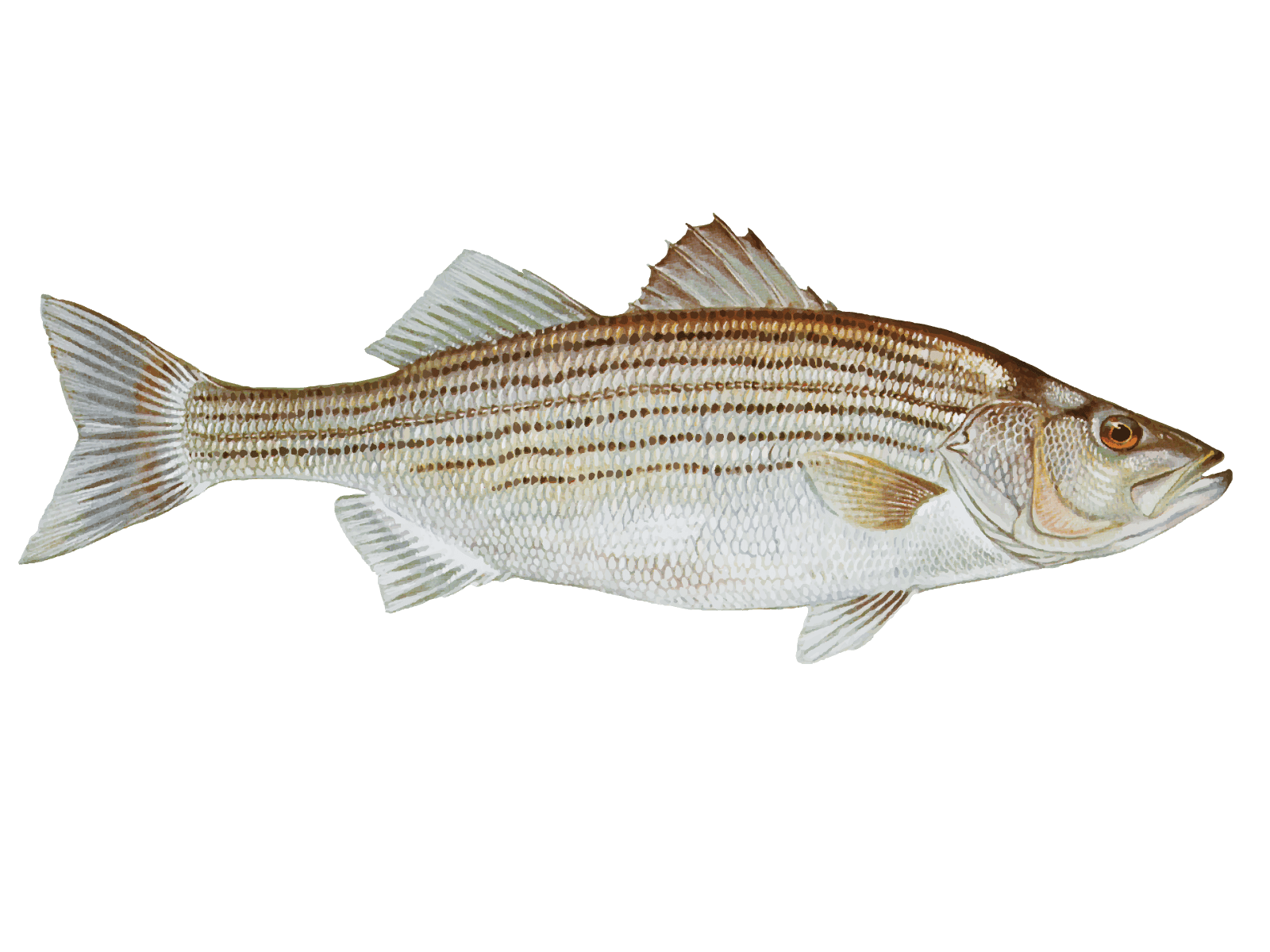
Striped bass are Cherokee Lake's premier trophy fish, commonly reaching 20-40 pounds with those distinctive dark horizontal stripes. These powerful swimmers patrol deep main lake points and creek channels, following schools of shad throughout the year. Early morning and late evening produce the best action, especially during cooler months when they're more active near the surface. What makes stripers so popular is their incredible strength and endurance - they'll test your drag and give you a fight to remember. Plus, they're fantastic table fare with firm, sweet meat. The key here is finding the bait schools on your electronics, then working just below them with live or cut shad on downlines.
White Bass
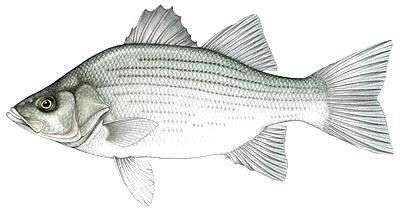
White bass in Cherokee Lake are scrappy silver fighters that usually measure 10-12 inches, though some reach 18 inches and several pounds. These schooling fish love open water near points and drop-offs, often feeding aggressively on shad in 15-30 feet of water. Spring spawning runs bring them shallow, but they're catchable year-round if you find the schools. What guests love most is their aggressive nature - when you find one, you'll usually catch several more. They're also some of the best eating fish in the lake with sweet, flaky white meat. Watch for birds diving or baitfish jumping on the surface - that's your sign the white bass are feeding underneath and it's game on.
About the StriperXtreme Guide Service
%2F%2Fusers%2Fb5777ef1-ae9a-4698-b3ec-b5740489539c%2Fvehicle_picture%2F482013943_1563948651218007_3429588552433486396_n-picsart-aiimageenhancer-mmd6iyjn.jpg&w=1920&q=75)
Vehicle Guest Capacity: 5
Manufacturer Name: Suzuki
Maximum Cruising Speed: 38
Number of Engines: 1
Horsepower per Engine: 200