%2Ffit-in%2F250x250%2Fguide_websites%2F120700%2Fimages%2F1772705122748image.png&w=1920&q=100)
/users/b5777ef1-ae9a-4698-b3ec-b5740489539c/ratecard/482030153_1564513051161567_3938666498297789394_n-mmda305r.jpg)
%2F300x300%2Fusers%2Fb5777ef1-ae9a-4698-b3ec-b5740489539c%2Fratecard%2F482030153_1564513051161567_3938666498297789394_n-mmda305r.jpg&w=256&q=75)
%2F300x300%2Fusers%2Fb5777ef1-ae9a-4698-b3ec-b5740489539c%2Fimages%2Fstriped-bass-rutledge-tennessee-fishing-2642.jpg&w=256&q=75)
%2F300x300%2Fusers%2Fb5777ef1-ae9a-4698-b3ec-b5740489539c%2Fimages%2Frutledge-striped-bass-fishing-tour-2651.jpg&w=256&q=75)
%2F300x300%2Fusers%2Fb5777ef1-ae9a-4698-b3ec-b5740489539c%2Fimages%2Frutledge-tn-striped-bass-catch-2596.jpg&w=256&q=75)
%2F300x300%2Fusers%2Fb5777ef1-ae9a-4698-b3ec-b5740489539c%2Fimages%2Frutledge-striped-bass-fishing-trip-2579.jpg&w=256&q=75)
%2F300x300%2Fusers%2Fb5777ef1-ae9a-4698-b3ec-b5740489539c%2Fimages%2Frutledge-striped-bass-catch-2672.jpg&w=256&q=75)
%2F300x300%2Fusers%2Fb5777ef1-ae9a-4698-b3ec-b5740489539c%2Fimages%2Frutledge-tn-striped-bass-fishing-2645.jpg&w=256&q=75)
%2F300x300%2Fusers%2Fb5777ef1-ae9a-4698-b3ec-b5740489539c%2Fimages%2Fstriped-bass-rutledge-tn-fishing-2816.jpg&w=256&q=75)
%2F300x300%2Fusers%2Fb5777ef1-ae9a-4698-b3ec-b5740489539c%2Fimages%2Frutledge-striped-bass-catch-2662.jpg&w=256&q=75)
%2F300x300%2Fusers%2Fb5777ef1-ae9a-4698-b3ec-b5740489539c%2Fimages%2Fflathead-catfish-rutledge-tennessee-fishing-2770.jpg&w=256&q=75)
%2F300x300%2Fusers%2Fb5777ef1-ae9a-4698-b3ec-b5740489539c%2Fimages%2Fblue-catfish-rutledge-tn-fishing-2752.jpg&w=256&q=75)
Cherokee Lake Wildlife Tour StriperXtreme Scenic
 Cherokee Lake
What you will be catching:
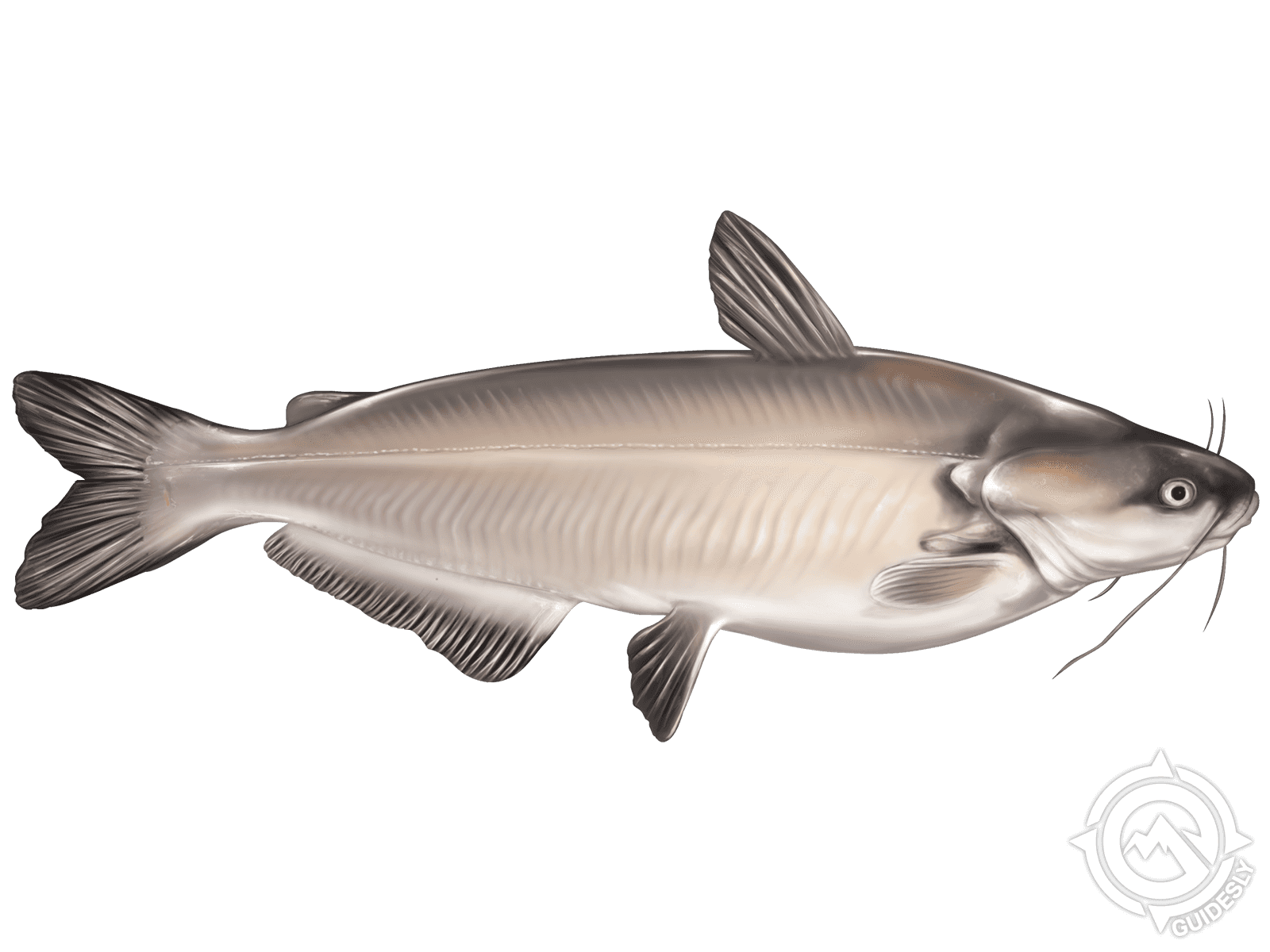
 Blue Catfish
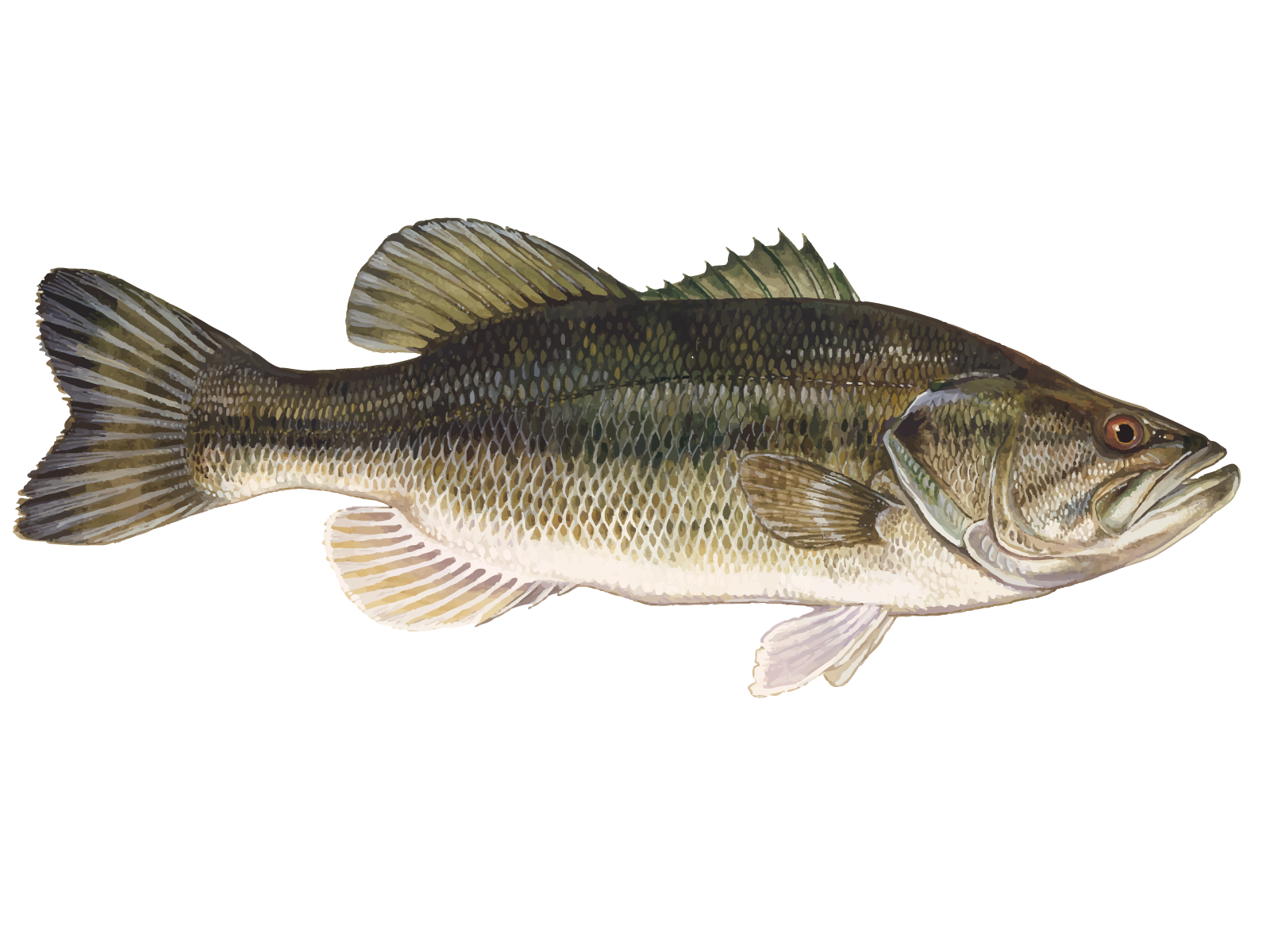 Largemouth Bass
 Smallmouth Bass
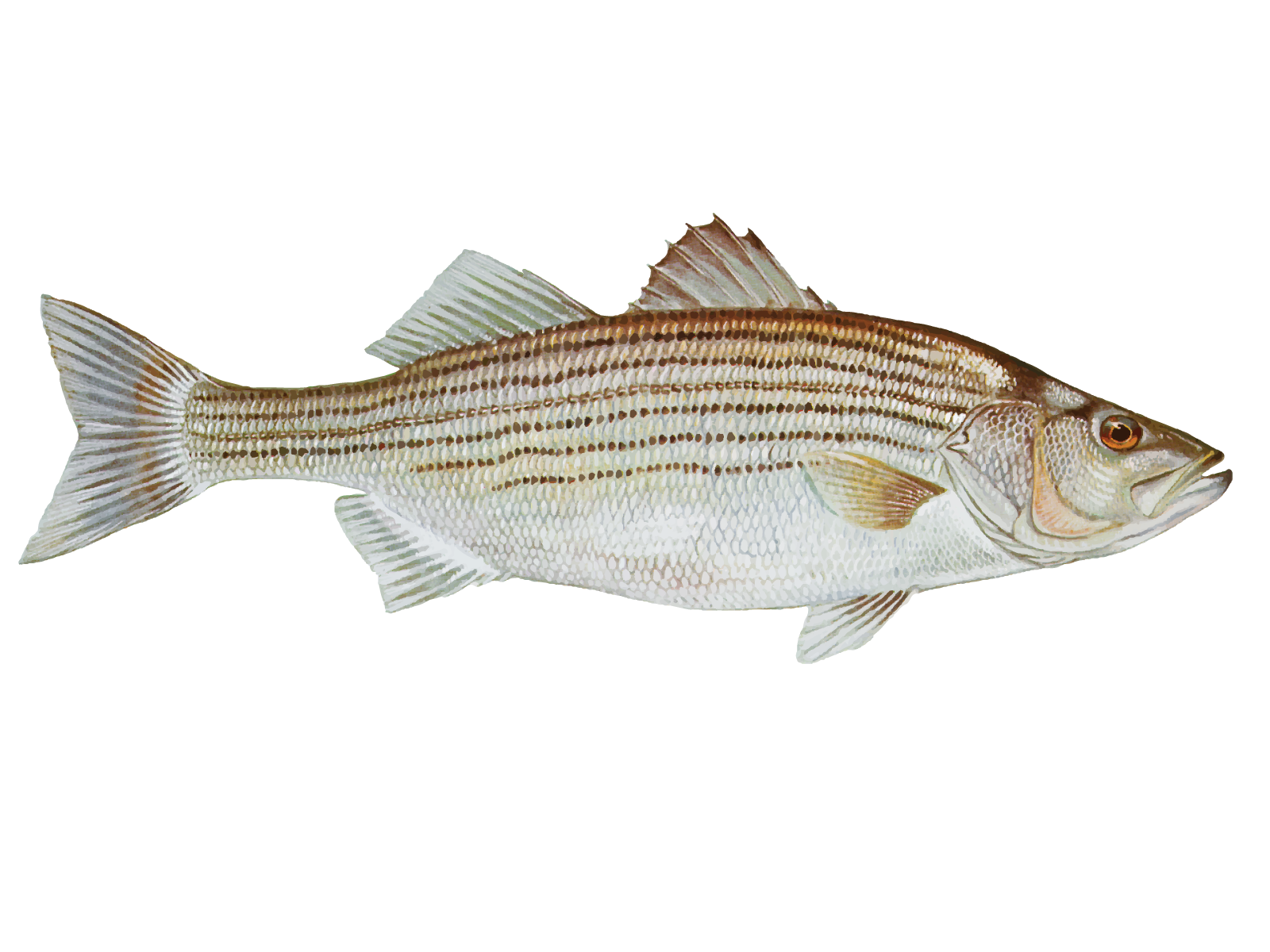 Striped Bass
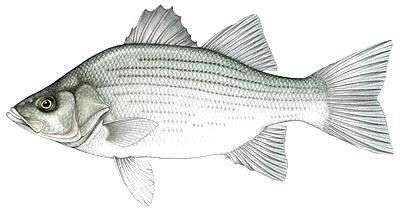
 White Bass
- This 3-hour morning tour on Cherokee Lake gives you a relaxed way to see East Tennessee's natural beauty from the water. Starting at 6 AM, you'll cruise scenic shorelines while learning about local fish like striped bass and hybrids from an experienced guide. Perfect for families who want to spot wildlife and enjoy peaceful lake views. Fishing gear is available if you want to try your luck
- just bring a valid Tennessee license. The tour runs $400 for two people, with room for up to three more guests at $60 each. It's a great mix of sightseeing and learning about what makes Cherokee Lake special.
Trip Pricing and Availabilities:
Cherokee Lake Wildlife & Eco Adventure
Picture yourself gliding across Cherokee Lake's calm waters at sunrise, camera in hand, watching East Tennessee's wildlife wake up along the shoreline. This 3-hour eco and wildlife tour with StriperXtreme Guide Service gives you front-row seats to one of the region's most beautiful lakes without the pressure of catching your limit. Perfect for families, photographers, or anyone wanting to soak in the natural beauty of Cherokee Lake while learning about the diverse fish populations that call these waters home. Starting at just $400 for two guests, this customer favorite combines relaxation with education in a way that'll have you planning your return trip before you even dock.
What to Expect on the Water
Your day starts early at 6 AM when the lake is at its most peaceful and wildlife activity peaks. The captain will contact you beforehand to nail down the exact meeting spot and any last-minute details. Once you're aboard, it's all about taking in Cherokee Lake's 28,000 acres of pristine water and diverse shoreline habitat. You'll cruise prime wildlife viewing areas where herons, eagles, and osprey are regular stars of the show, especially during the cooler morning hours. The guide shares insights about the lake's ecosystem, pointing out underwater structure, seasonal fish movements, and the relationship between the various species that thrive here. If you're feeling the urge to wet a line, fishing gear is available onboard - just make sure you've got your Tennessee fishing license sorted before the trip. The pace stays relaxed throughout, giving everyone plenty of time to snap photos, ask questions, and simply enjoy being on the water. With room for up to five people total, additional guests can join at $60 per person, making it an affordable way to get the whole crew out for a morning they won't forget.
Gear Setup & Lake Navigation
Cherokee Lake's layout makes it perfect for this type of tour, with its winding channels, protected coves, and varied shoreline structure creating diverse habitats for both wildlife and fish. The captain navigates using local knowledge built over years of fishing these waters, knowing exactly where to find the best wildlife viewing spots and which areas produce the most educational opportunities. All safety equipment is provided, and if fishing becomes part of your morning, you'll have access to quality rods and tackle suited for the lake's primary species. The boat setup maximizes comfort and viewing opportunities, with strategic positioning for photography and wildlife observation. GPS and fish finder technology help locate underwater structure and schools of bait fish, giving guests a real-time education in fish behavior and lake ecology. The captain explains how seasonal changes affect fish movements, what structure holds different species, and how weather patterns influence wildlife activity. This behind-the-scenes knowledge transforms a simple boat ride into a comprehensive learning experience that appeals to curious minds of all ages.
Species You'll Learn About
Cherokee Lake's Largemouth Bass population represents some of East Tennessee's finest specimens, with fish ranging from schooling juveniles in shallow coves to trophy-sized adults lurking around submerged timber and rocky points. These bass are most active during early morning hours, making them perfect subjects for your eco tour as they chase baitfish in the shallows. Spring and fall offer the best viewing opportunities when bass move shallow to feed aggressively. What makes Cherokee Lake bass special is their healthy average size and the variety of structure they inhabit, from fallen trees to creek channels, giving you a comprehensive look at bass behavior in different environments.
White Bass on Cherokee Lake create some of the most exciting wildlife viewing opportunities, especially when they school up to chase shad in open water. These silver bullets average 1-2 pounds but make up for size with pure energy and numbers. During their spring spawning run up the tributaries, white bass provide spectacular surface action that's visible from considerable distance. Summer months find them suspended over deeper structure, while fall brings aggressive feeding periods when they corral baitfish against the surface. Their schooling behavior and willingness to feed makes them excellent subjects for understanding predator-prey relationships in the lake ecosystem.
The Striped Bass program at Cherokee Lake has created a world-class fishery that's become legendary among Tennessee anglers. These powerful fish can reach impressive sizes, with specimens over 20 pounds caught regularly. Stripers are fascinating to observe as they patrol open water areas and creek mouths, often giving away their presence by pushing baitfish to the surface. Their seasonal migrations follow temperature and oxygen levels, providing excellent educational opportunities about fish habitat preferences. Winter months find them in deeper water, while spring and fall bring them to more accessible areas where guests can witness their impressive feeding behavior.
Smallmouth Bass in Cherokee Lake are scrappy fighters that prefer the lake's rocky areas and main channel structure. These bronze-backed beauties average 2-3 pounds but punch well above their weight class when it comes to fighting ability. They're most active in cooler water temperatures, making early morning tours ideal for observing their behavior. Cherokee Lake's smallmouth are known for their healthy population and quality size, inhabiting areas with good current flow and rocky bottom composition. Their preference for clear water and structure makes them excellent indicators of the lake's overall health and water quality.
Blue Catfish represent Cherokee Lake's gentle giants, with some specimens reaching impressive sizes in the lake's deeper channels and river bends. These whiskered bottom-dwellers are most active during warmer months and low-light periods, making them occasional stars of the eco tour when they surface to feed or move between areas. Blues prefer deeper water with good current flow and can live for decades, reaching weights that surprise many guests. Their presence indicates a healthy aquatic ecosystem, and their feeding habits play important roles in maintaining the lake's balance by consuming various prey species and cleaning up organic matter.
Time to Book Your Adventure
This top-rated eco and wildlife tour delivers exactly what Cherokee Lake does best - natural beauty, diverse wildlife, and educational value wrapped into one relaxing morning package. Whether you're looking to introduce kids to the outdoors, capture some stunning photography, or simply enjoy East Tennessee's scenery from a different perspective, this trip hits all the marks. The early start time puts you on the water when wildlife
Learn more about the species
Blue Catfish
Blue catfish are Cherokee Lake's gentle giants, and they'll surprise you with their size. These slate-blue bruisers can reach 20-40 pounds or more, making them our biggest predator. They roam deep channels and drop-offs, usually 15-35 feet down, following schools of shad and gizzard shad. Summer and fall are best when they're actively feeding. You can tell them from channel cats by their squared-off anal fin and straighter profile. What guests love is the steady, powerful fight - no jumping, just brute strength that tests your gear. They're excellent eating with firm, mild meat that's perfect for frying or grilling. They're opportunistic feeders, so fresh cut bait works best. My go-to spot is the old river channel near the main lake. Local tip: use fresh-cut skipjack or shad on the bottom with a sliding sinker rig. Let it sit still - they'll find it.
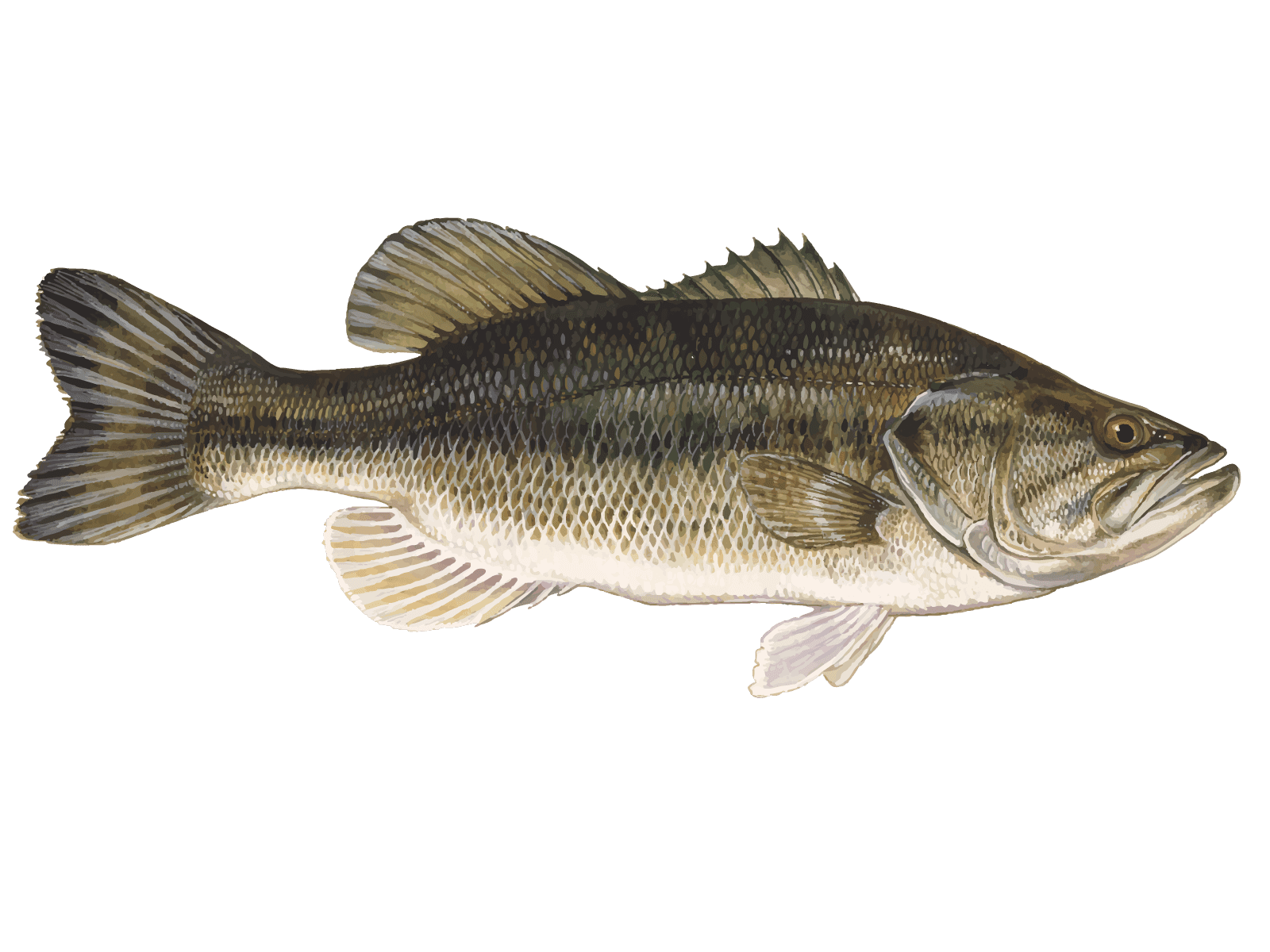
Largemouth Bass
Cherokee Lake's largemouth bass are the reason many folks get hooked on fishing. These green fighters typically run 12-24 inches and love hanging around submerged timber, creek channels, and shallow flats with cover. Spring and fall are prime times when they're actively feeding in 3-10 feet of water. What makes them special is that massive mouth - when it opens, the jaw extends past their eyes. They'll hit everything from plastic worms to topwater plugs, and the fight is worth it. They jump, dive, and test your drag like few other fish. The meat's decent eating if you keep a few smaller ones. Here's a local tip: early morning around the old creek beds near the dam, throw a white spinnerbait along the timber edges. These bass can't resist it, especially when the water's got a little chop.
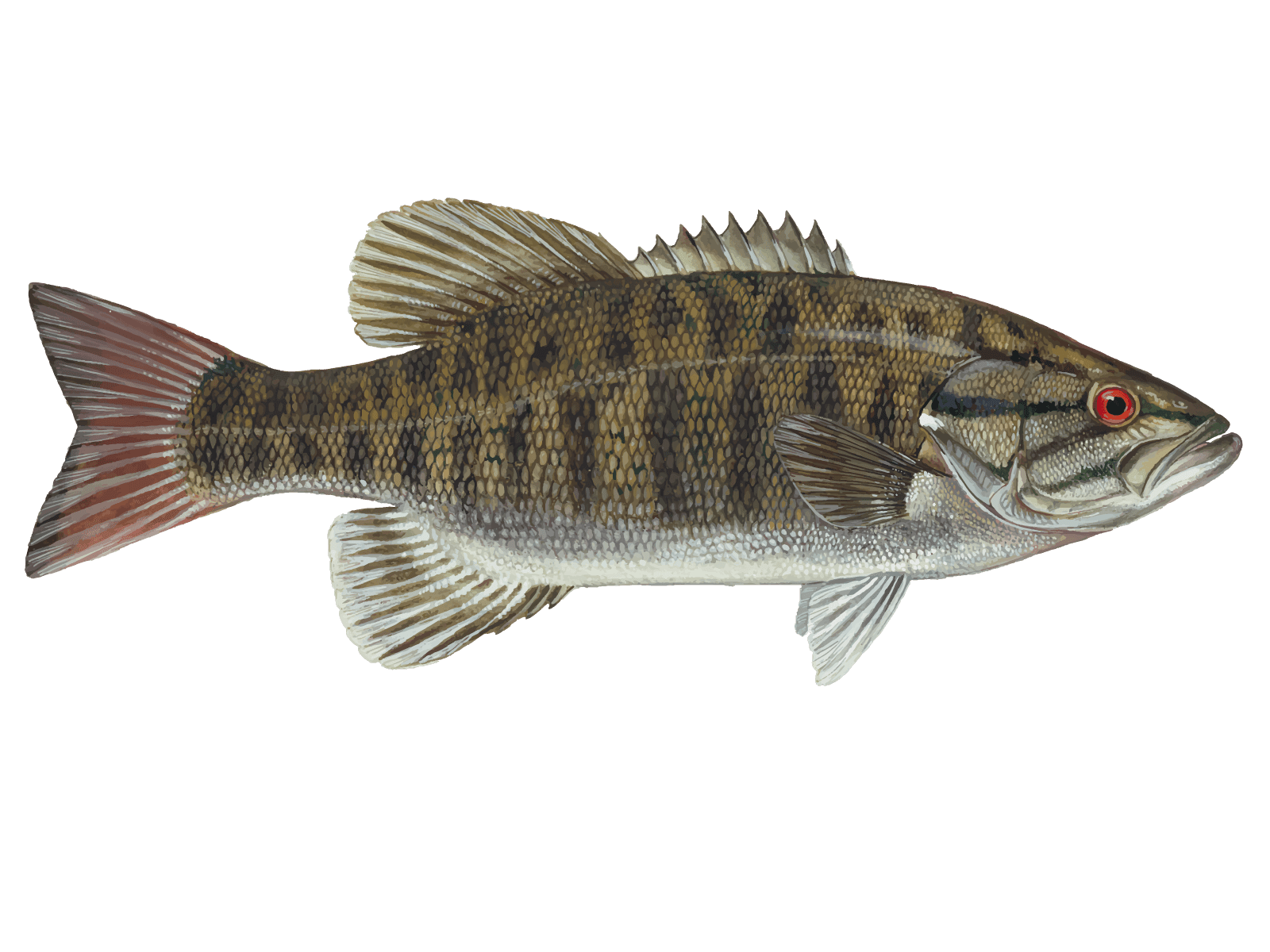
Smallmouth Bass
Smallmouth bass in Cherokee Lake are pound-for-pound the strongest fighters you'll encounter. These bronze-colored scrapper average 12-16 inches and prefer the rocky points, bluff walls, and gravel bars where crayfish hide. Spring and fall are prime times when they're in 5-15 feet of water, though summer pushes them deeper to the 20-30 foot range. What sets them apart is that incredible fight - they jump more than largemouth and never give up. Their red eyes and brownish-bronze coloring with dark vertical bars make them beautiful fish. The meat's firm and tasty, though many anglers release them. They love current breaks and structure. Early morning and late evening produce best. Cool water temperatures get them fired up. Here's a local secret: small brown jigs worked slowly along the rocky bluff lines near the dam always produce. Match your jig color to the bottom - browns and greens work magic here.
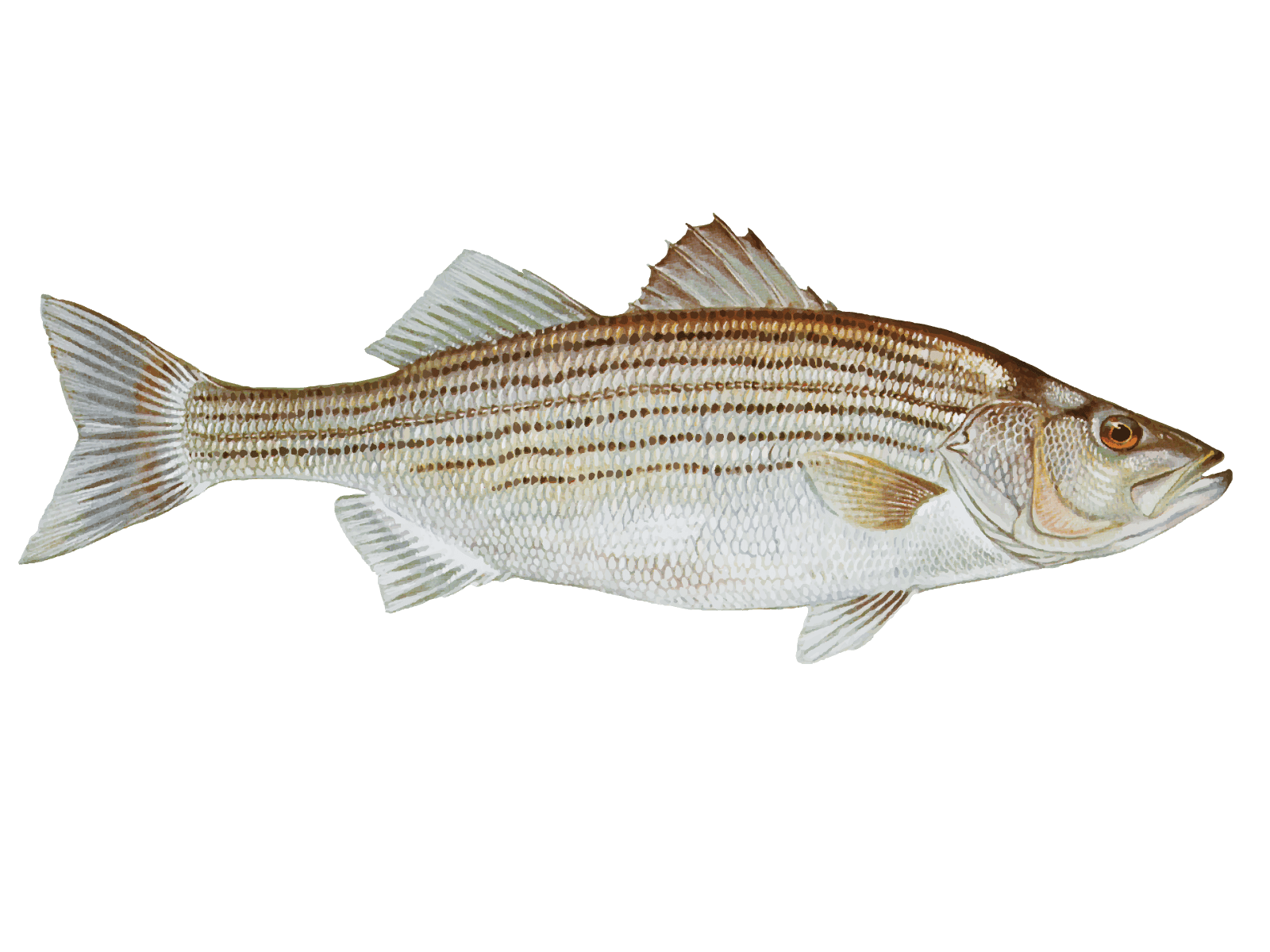
Striped Bass
Cherokee Lake's striped bass are the lake's heavy hitters, and they'll test your tackle like nothing else. These silver bullets with distinct black stripes typically range 5-15 pounds here, though bigger ones cruise the deeper channels. They're structure-oriented, hanging around points, humps, and the old river channel in 20-40 feet of water. Spring and fall are best when they're actively chasing schools of shad. Summer finds them deeper, following the thermocline. What makes them special is that powerful fight - they'll peel drag and make long runs that get your heart pumping. The meat's excellent, firm and mild. They're nomadic, so be ready to move when the action dies. Early morning is prime time near the dam area. Here's what works: find the bait on your electronics, then fish live gizzard shad or big swimbaits just above them. Patience pays off with these fish.
White Bass
White bass are some of the most fun you'll have on Cherokee Lake, especially when you find a feeding school. These silver fighters average 10-14 inches and travel in groups, hitting the surface like popcorn when they're chasing shad. You'll spot them in open water, usually 15-25 feet deep during summer, but they come shallow in spring and fall. The distinctive dark stripes along their sides make them easy to identify. What guests love is the action - when you find one, you've found dozens. They fight hard for their size and make excellent table fare with firm, mild meat. Spring spawning runs up the tributaries are legendary here. Best conditions are early morning or evening when the water's calm. Local trick: when you see birds working over the water, get there fast with small white jigs or spoons. Keep your bait moving - they like it active.