%2Ffit-in%2F250x250%2Fguide_websites%2F120700%2Fimages%2F1772705122748image.png&w=1920&q=100)
/users/b5777ef1-ae9a-4698-b3ec-b5740489539c/ratecard/4-mmd9qqrj.jpg)
%2F300x300%2Fusers%2Fb5777ef1-ae9a-4698-b3ec-b5740489539c%2Fratecard%2F4-mmd9qqrj.jpg&w=256&q=75)
%2F300x300%2Fusers%2Fb5777ef1-ae9a-4698-b3ec-b5740489539c%2Fimages%2Fstriped-bass-rutledge-tennessee-fishing-2642.jpg&w=256&q=75)
%2F300x300%2Fusers%2Fb5777ef1-ae9a-4698-b3ec-b5740489539c%2Fimages%2Frutledge-striped-bass-fishing-tour-2651.jpg&w=256&q=75)
%2F300x300%2Fusers%2Fb5777ef1-ae9a-4698-b3ec-b5740489539c%2Fimages%2Frutledge-tn-striped-bass-catch-2596.jpg&w=256&q=75)
%2F300x300%2Fusers%2Fb5777ef1-ae9a-4698-b3ec-b5740489539c%2Fimages%2Frutledge-striped-bass-fishing-trip-2579.jpg&w=256&q=75)
%2F300x300%2Fusers%2Fb5777ef1-ae9a-4698-b3ec-b5740489539c%2Fimages%2Frutledge-striped-bass-catch-2672.jpg&w=256&q=75)
%2F300x300%2Fusers%2Fb5777ef1-ae9a-4698-b3ec-b5740489539c%2Fimages%2Frutledge-tn-striped-bass-fishing-2645.jpg&w=256&q=75)
%2F300x300%2Fusers%2Fb5777ef1-ae9a-4698-b3ec-b5740489539c%2Fimages%2Fstriped-bass-rutledge-tn-fishing-2816.jpg&w=256&q=75)
%2F300x300%2Fusers%2Fb5777ef1-ae9a-4698-b3ec-b5740489539c%2Fimages%2Frutledge-striped-bass-catch-2662.jpg&w=256&q=75)
%2F300x300%2Fusers%2Fb5777ef1-ae9a-4698-b3ec-b5740489539c%2Fimages%2Fflathead-catfish-rutledge-tennessee-fishing-2770.jpg&w=256&q=75)
%2F300x300%2Fusers%2Fb5777ef1-ae9a-4698-b3ec-b5740489539c%2Fimages%2Fblue-catfish-rutledge-tn-fishing-2752.jpg&w=256&q=75)
Family Cherokee Lake Fishing StriperXtreme Guide
 Cherokee Lake
What you will be catching:
 Blue Catfish
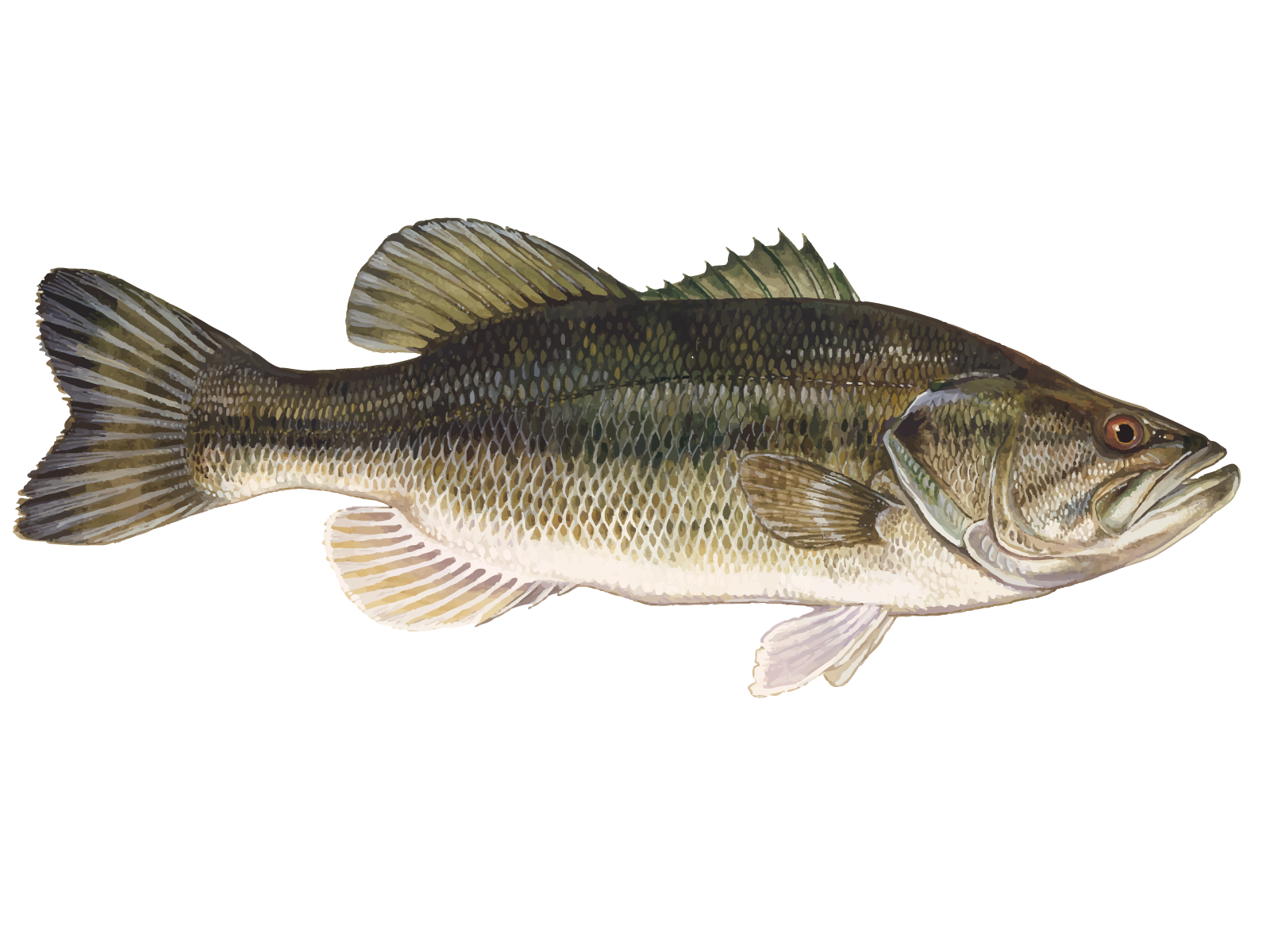 Largemouth Bass
 Smallmouth Bass
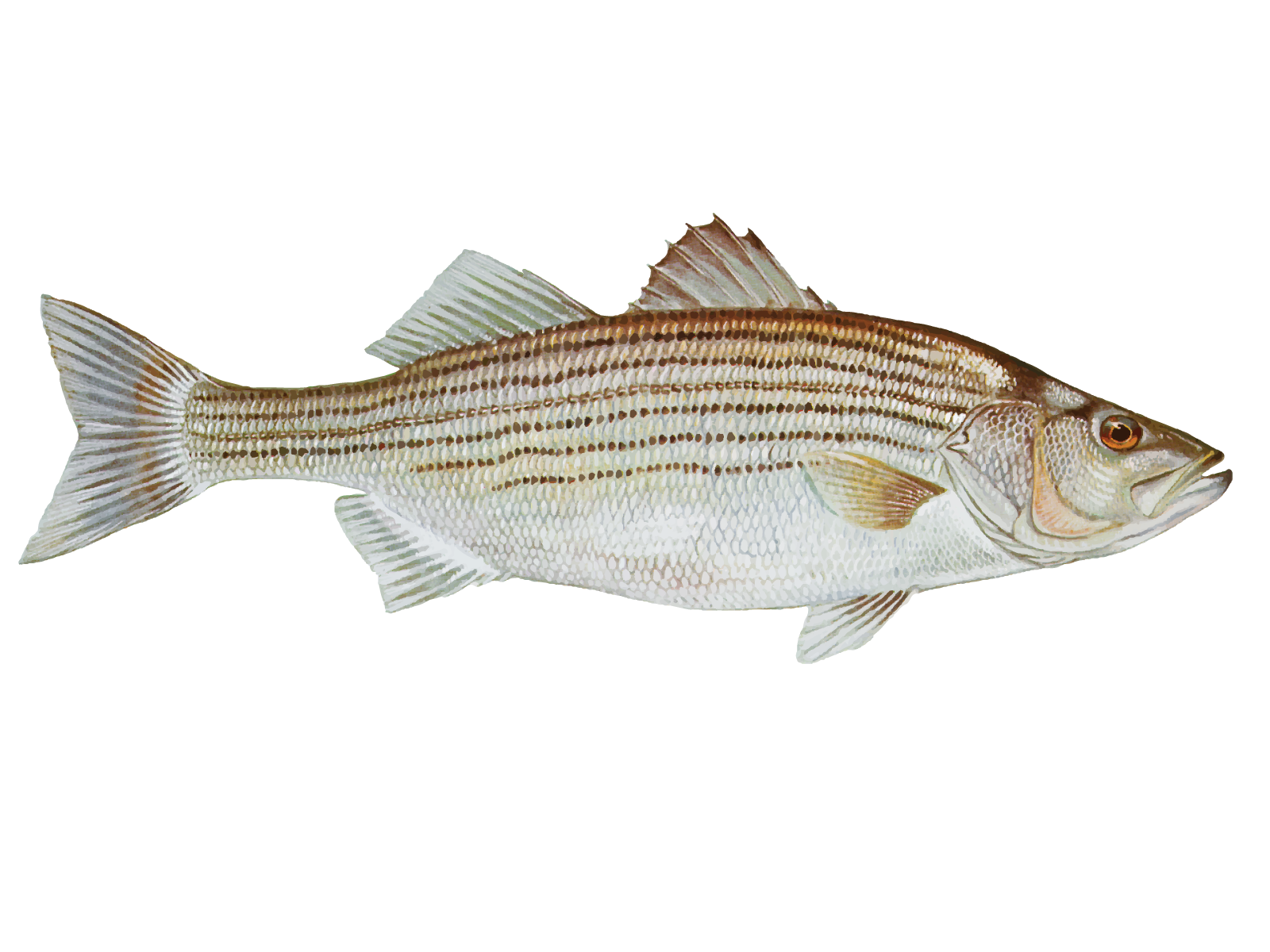 Striped Bass
 White Bass
- This 3-hour morning trip on Cherokee Lake is perfect for families wanting to try striped bass and hybrid bass fishing without the pressure. We start at 6 AM when the fish are most active, and I provide everything you need
- rods, reels, bait, and tackle. The lake's calm waters make it ideal for kids and beginners to learn proper techniques while having a real shot at catching some quality fish. Cherokee Lake holds some impressive stripers, and the hybrids put up a great fight that'll get everyone excited. I keep groups small with just 2-5 people max, so there's plenty of individual attention. You'll need a Tennessee fishing license, and I can clean your catch if you want to take fish home.
Trip Pricing and Availabilities:
3 Hour Cherokee Lake Family Fishing Trip
Looking for a perfect introduction to Tennessee lake fishing that won't wear out the kids? This 3-hour morning adventure on Cherokee Lake hits the sweet spot for families wanting to experience some of the best striped bass and hybrid fishing in East Tennessee. Starting at sunrise when the fish are most active, you'll get hands-on time with some serious gamefish without the marathon day that can leave little ones cranky. At $400 for two anglers, with room for up to five people total, it's designed to get everyone involved while keeping things relaxed and fun. Captain provides all the gear, so you just need to show up with valid Tennessee fishing licenses and ready to learn some new skills on one of the region's top-rated fishing destinations.
What to Expect on the Water
Cherokee Lake is known for its excellent striper population, and these early morning trips take advantage of prime feeding times when the fish are actively hunting baitfish near the surface. The 6 AM start might seem early, but trust me – this is when the magic happens. The lake is calm, the air is cool, and the fish are hungry after a long night. Your captain will contact you beforehand to nail down the exact meeting spot and launch location, which can vary depending on current conditions and where the fish are showing up. This isn't a rush-and-go operation – we're talking about quality time learning proper techniques while targeting some genuinely exciting species. The relaxed pace makes it perfect for beginners who want to actually understand what they're doing rather than just casting and hoping. Plus, with all rods, reels, bait, and tackle included, you can focus on the fishing instead of wondering if you brought the right gear.
Techniques & Tackle
Cherokee Lake fishing revolves around understanding where stripers and hybrids like to hang out, and your captain knows these patterns inside and out. We're typically talking about trolling with downriggers to get baits down to the thermocline where the fish suspend, or working points and humps with live bait when the fish are relating to structure. The tackle is medium to heavy action to handle these powerful fish – stripers especially can make some serious runs when they're hooked. Depending on conditions, you might be using umbrella rigs, live shad, or topwater lures when the fish are busting bait on the surface. The beauty of a guided trip is learning to read electronics and understand why fish position themselves in certain areas at different times of day. Your captain will explain water temperature, depth changes, and how baitfish movements affect where predators feed. It's hands-on education that makes you a better angler long after the trip ends, whether you're targeting bass in shallow cover or working deeper water for suspended fish.
Species You'll Want to Hook
Largemouth Bass are the bread and butter of Cherokee Lake, and they're active year-round in different parts of the lake. Spring through fall, they're relating to cover like fallen trees, docks, and weed lines. These fish average 2-4 pounds but can push well over 6 pounds, and they fight with that classic bass attitude – jumping, bulldogging, and trying every trick to throw the hook. What makes largemouth special here is the variety of ways you can catch them, from topwater early in the morning to deep diving cranks when they move to structure.
White Bass provide some of the most consistent action on Cherokee Lake, especially during their spring spawning runs up the tributary creeks. These schooling fish average 1-2 pounds but make up for size with sheer numbers and fighting spirit. When you find a school, it's not uncommon to catch 20 or 30 fish in short order. They're perfect for kids because they bite aggressively and don't require perfect technique. Summer and fall, look for them chasing shad in open water, often mixed in with stripers.
Striped Bass are the main attraction for serious anglers, and Cherokee Lake has developed into a world-class striper fishery over the past decade. These fish commonly run 5-15 pounds, with 20+ pound fish caught regularly. They're built for open water and can make runs that'll test your drag system and your arms. Peak action is typically spring and fall when water temperatures are in the 60-70 degree range, but summer early morning trips can produce explosive topwater action when stripers trap baitfish against the surface.
Smallmouth Bass in Cherokee Lake are often overlooked, but they're some of the hardest fighting fish you'll encounter. They prefer rocky points, bluff walls, and areas with current flow. Average size runs 2-3 pounds, but the way they fight makes them feel twice that big. Spring and fall are prime times when they're shallow and aggressive, but summer deep water fishing can produce some real giants. Smallmouth are perfect for anglers who appreciate technical fishing and want to learn finesse techniques.
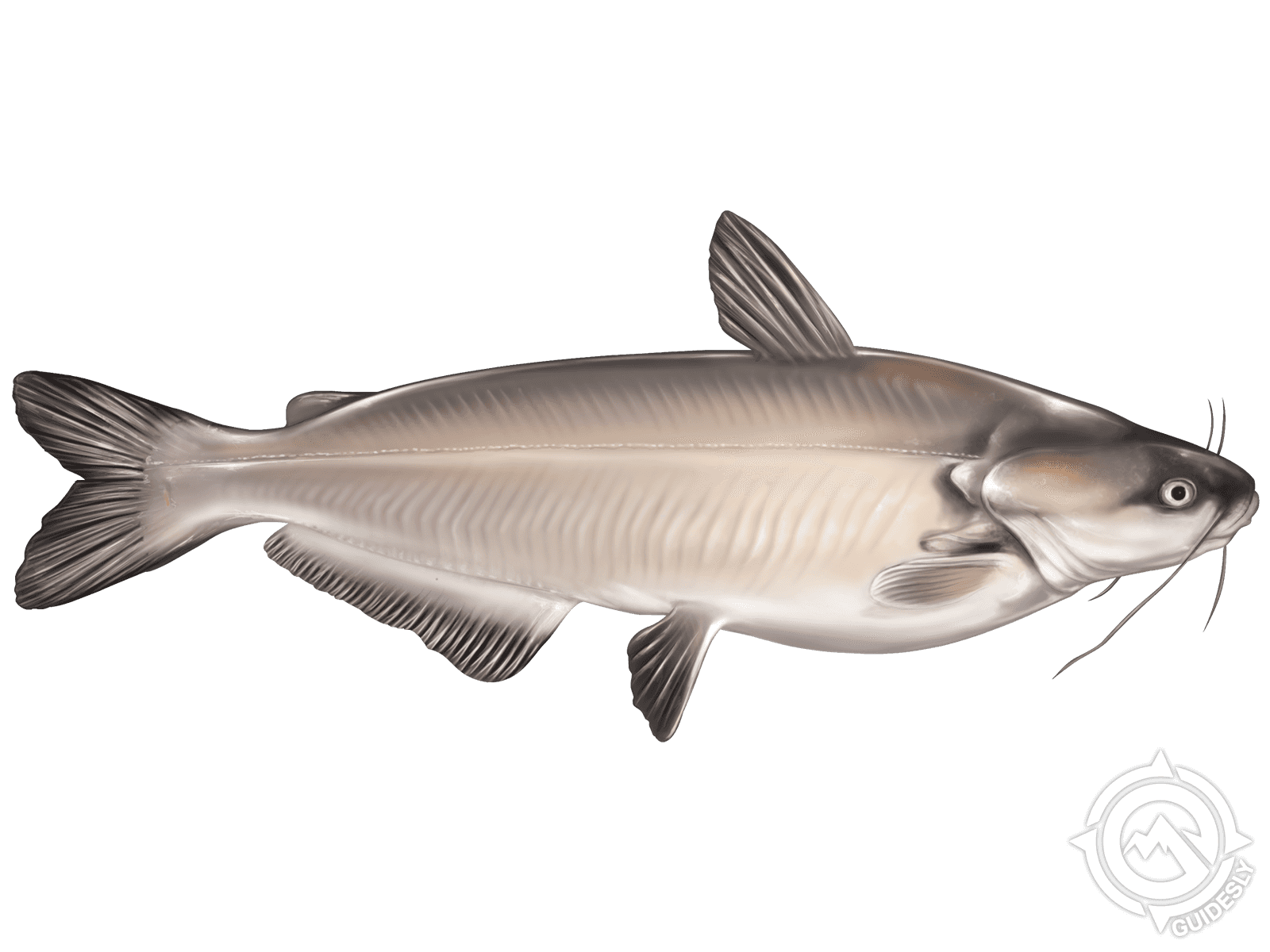
Blue Catfish represent the lake's sleeper species for families. These fish can reach impressive sizes – 10 to 30+ pounds – and provide steady pulling power that's exciting without being overwhelming for younger anglers. They're most active in warmer months and can be targeted with cut bait in deeper channels and river bends. The beauty of blue cats is they're often willing to bite when other species are less cooperative, making them a great backup plan for consistent action.
Time to Book Your Spot
This family-friendly morning trip delivers exactly what it promises – quality fishing instruction in a relaxed setting that works for all skill levels. Cherokee Lake's diverse fishery means there's always something biting, and the 3-hour format keeps things fun without becoming a endurance test. With professional equipment provided and optional fish cleaning available, all you need to focus on is enjoying time on the water and maybe learning some new techniques. The suggested 20-25% gratuity reflects the personalized service you'll receive, and most families find the investment well worth it for the memories and skills gained. Cherokee Lake continues to improve as a fishing destination, and getting out with an experienced captain is
Learn more about the animals
Blue Catfish
The heavyweight champions of Cherokee Lake that keep growing all their lives. These slate-blue monsters can push 30-50 pounds, making them perfect for family bragging rights. They patrol deep channels and muddy creek mouths, scavenging whatever they can find. Best fishing happens during warmer months when they're most active, though they bite year-round. Guests love the anticipation - you never know if the next bite is a 5-pounder or a 50-pounder. They're also fantastic table fare despite their intimidating size. Fresh cut bait is key - let it sit on bottom near structure and be patient. When that rod tip starts bouncing, get ready for a real tug-of-war.
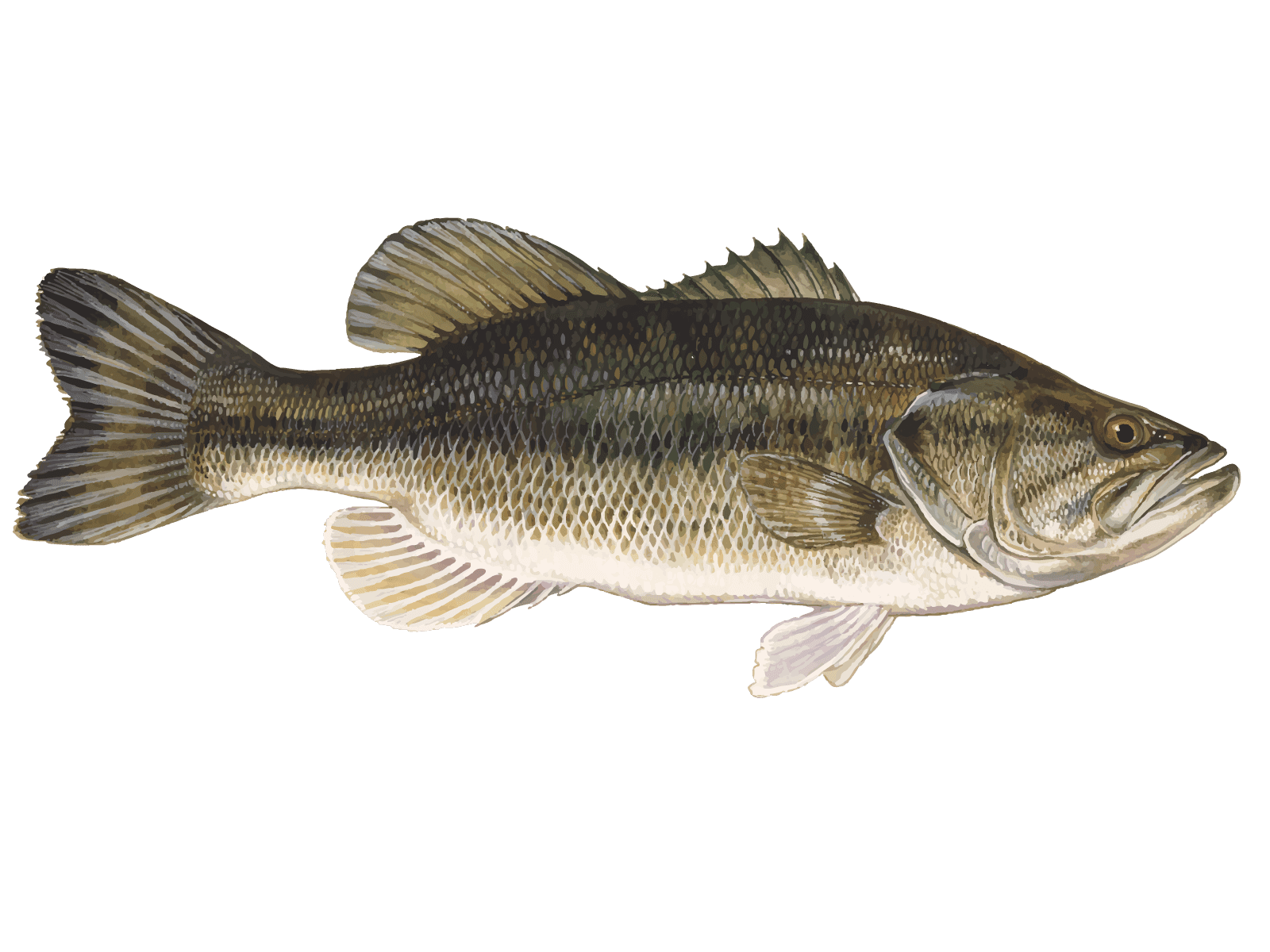
Largemouth Bass
The classic green fighter that draws anglers to Cherokee Lake year-round. These bass typically run 12-24 inches and pack serious attitude when hooked. They love hanging around structure - fallen trees, rock piles, and weed beds where they can ambush prey. Spring and fall are prime times when they move shallow, but summer finds them deeper in cooler water. What makes them special? That massive mouth and the way they explode on topwater lures at dawn. They're also solid eating when cleaned properly. My local tip: work a Texas-rigged worm slow along those submerged timber lines. Let it sit for a few seconds between hops - that's when they usually nail it.
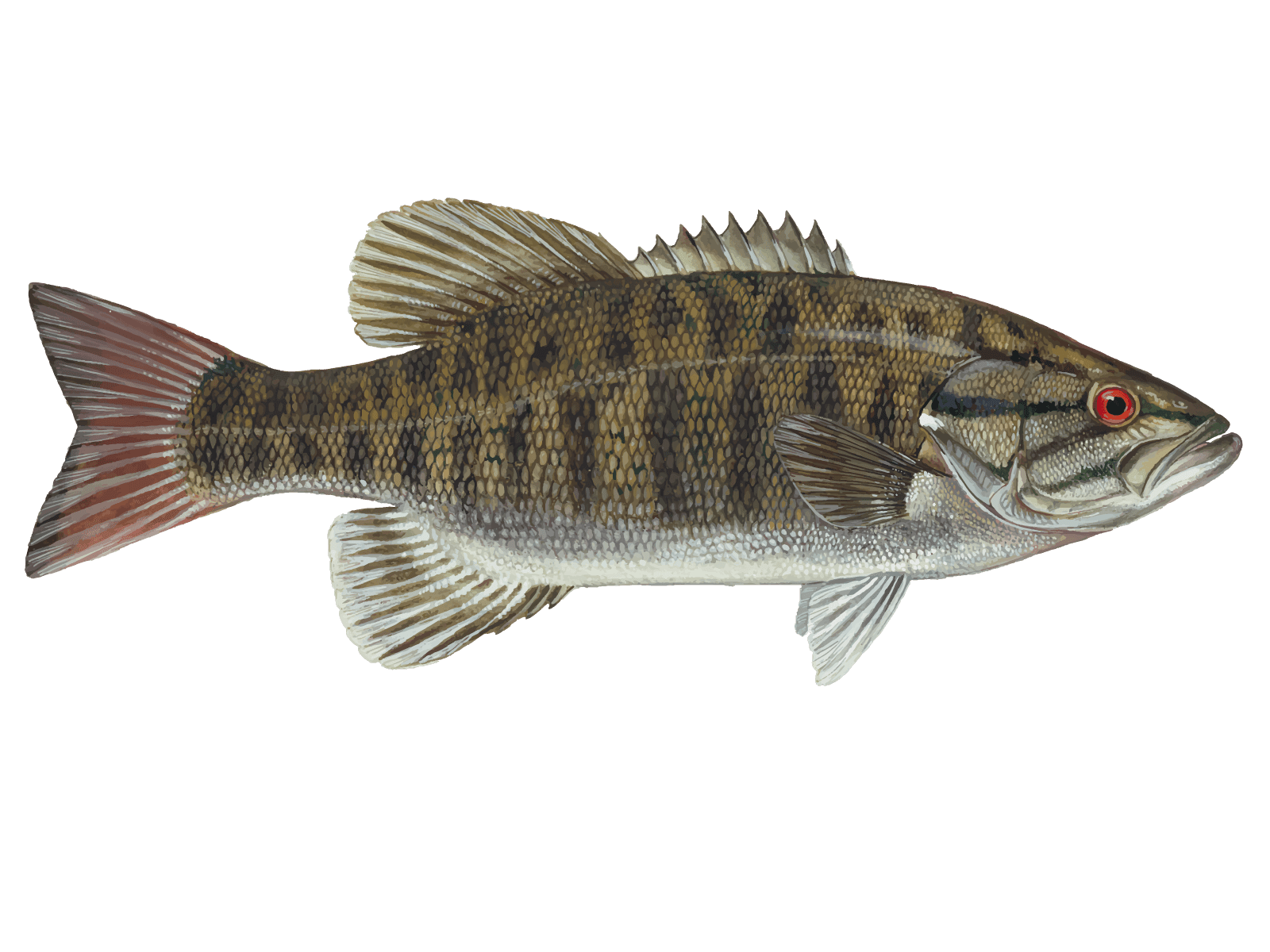
Smallmouth Bass
The bronze fighters that call Cherokee Lake's rocky areas home. These scrappy bass average 12-18 inches but pound-for-pound fight harder than anything else in the lake. Find them around rocky points, gravel bars, and boulder fields, especially in 10-20 feet of water. Spring and fall are peak times when they're most aggressive, though they stay active all season. Anglers love smallmouth because they jump, dive, and never give up easy. They're also excellent eating with firm, sweet meat. The cooler months bring them shallow where they're easier to target. Try dragging a football jig along rocky bottom - when it gets heavy, set the hook hard.
Striped Bass
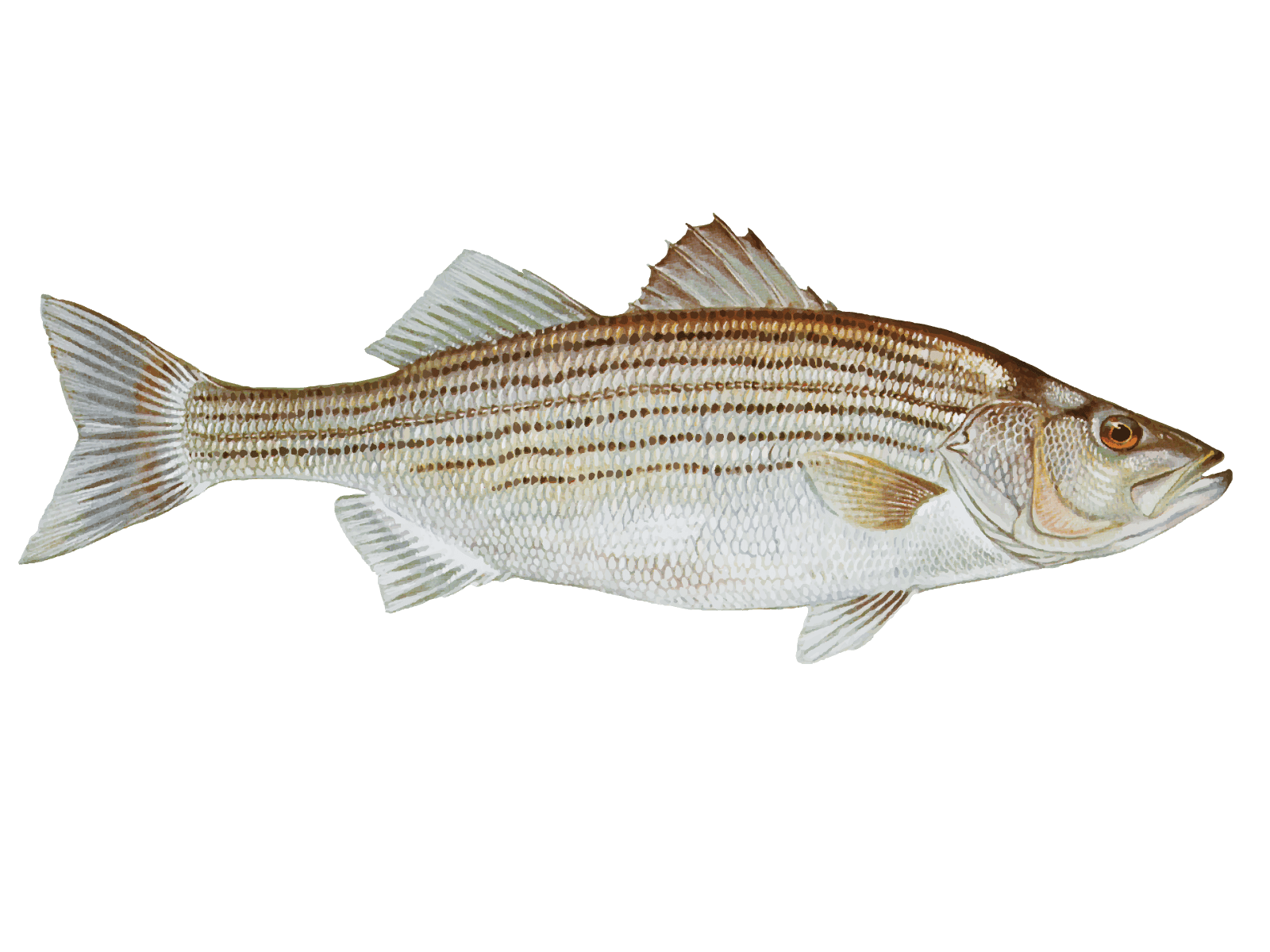
The main attraction on Cherokee Lake - these silver bruisers with distinctive black stripes can stretch 20-40 pounds. They're structure lovers, cruising rocky points and creek mouths in schools. Early morning and evening are prime times when they push baitfish to the surface. Spring through fall offers the best action, with cooler water keeping them active longer. Families love targeting stripers because they're strong enough to get everyone's adrenaline pumping but not too technical to catch. Plus, they're fantastic eating - firm, white meat with great flavor. Watch for diving birds to locate feeding schools, then cast live shad or large swimbaits into the chaos.
White Bass
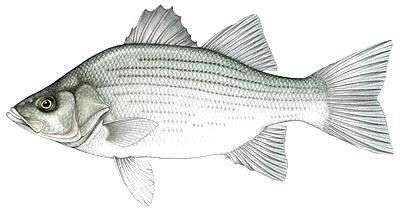
These silver schooling fish are perfect for beginners wanting steady action. Running 10-12 inches on average, they travel in packs and hit hard when you find them. Look for them in open water over Cherokee Lake's main channels, usually 15-25 feet down. Spring spawning runs bring them shallow, but summer finds them following baitfish in deeper water. Kids love these fish because once you locate a school, everyone catches something. They're scrappy fighters and make excellent table fare with sweet, flaky meat. When the surface is breaking with feeding fish, grab a small white jig and work it just under the commotion - they'll hammer it.
About the StriperXtreme Guide Service
%2F%2Fusers%2Fb5777ef1-ae9a-4698-b3ec-b5740489539c%2Fvehicle_picture%2F482013943_1563948651218007_3429588552433486396_n-picsart-aiimageenhancer-mmd6iyjn.jpg&w=1920&q=75)
Vehicle Guest Capacity: 5
Manufacturer Name: Suzuki
Maximum Cruising Speed: 38
Number of Engines: 1
Horsepower per Engine: 200