%2Ffit-in%2F250x250%2Fguide_websites%2F120700%2Fimages%2F1772705122748image.png&w=1920&q=100)
/users/b5777ef1-ae9a-4698-b3ec-b5740489539c/ratecard/2-mmd9epsi.jpg)
%2F300x300%2Fusers%2Fb5777ef1-ae9a-4698-b3ec-b5740489539c%2Fratecard%2F2-mmd9epsi.jpg&w=256&q=75)
%2F300x300%2Fusers%2Fb5777ef1-ae9a-4698-b3ec-b5740489539c%2Fimages%2Fstriped-bass-rutledge-tennessee-fishing-2642.jpg&w=256&q=75)
%2F300x300%2Fusers%2Fb5777ef1-ae9a-4698-b3ec-b5740489539c%2Fimages%2Frutledge-striped-bass-fishing-tour-2651.jpg&w=256&q=75)
%2F300x300%2Fusers%2Fb5777ef1-ae9a-4698-b3ec-b5740489539c%2Fimages%2Frutledge-tn-striped-bass-catch-2596.jpg&w=256&q=75)
%2F300x300%2Fusers%2Fb5777ef1-ae9a-4698-b3ec-b5740489539c%2Fimages%2Frutledge-striped-bass-fishing-trip-2579.jpg&w=256&q=75)
%2F300x300%2Fusers%2Fb5777ef1-ae9a-4698-b3ec-b5740489539c%2Fimages%2Frutledge-striped-bass-catch-2672.jpg&w=256&q=75)
%2F300x300%2Fusers%2Fb5777ef1-ae9a-4698-b3ec-b5740489539c%2Fimages%2Frutledge-tn-striped-bass-fishing-2645.jpg&w=256&q=75)
%2F300x300%2Fusers%2Fb5777ef1-ae9a-4698-b3ec-b5740489539c%2Fimages%2Fstriped-bass-rutledge-tn-fishing-2816.jpg&w=256&q=75)
%2F300x300%2Fusers%2Fb5777ef1-ae9a-4698-b3ec-b5740489539c%2Fimages%2Frutledge-striped-bass-catch-2662.jpg&w=256&q=75)
%2F300x300%2Fusers%2Fb5777ef1-ae9a-4698-b3ec-b5740489539c%2Fimages%2Fflathead-catfish-rutledge-tennessee-fishing-2770.jpg&w=256&q=75)
%2F300x300%2Fusers%2Fb5777ef1-ae9a-4698-b3ec-b5740489539c%2Fimages%2Fblue-catfish-rutledge-tn-fishing-2752.jpg&w=256&q=75)
Cherokee Lake Striped Bass Trip StriperXtreme
 Cherokee Lake
What you will be catching:
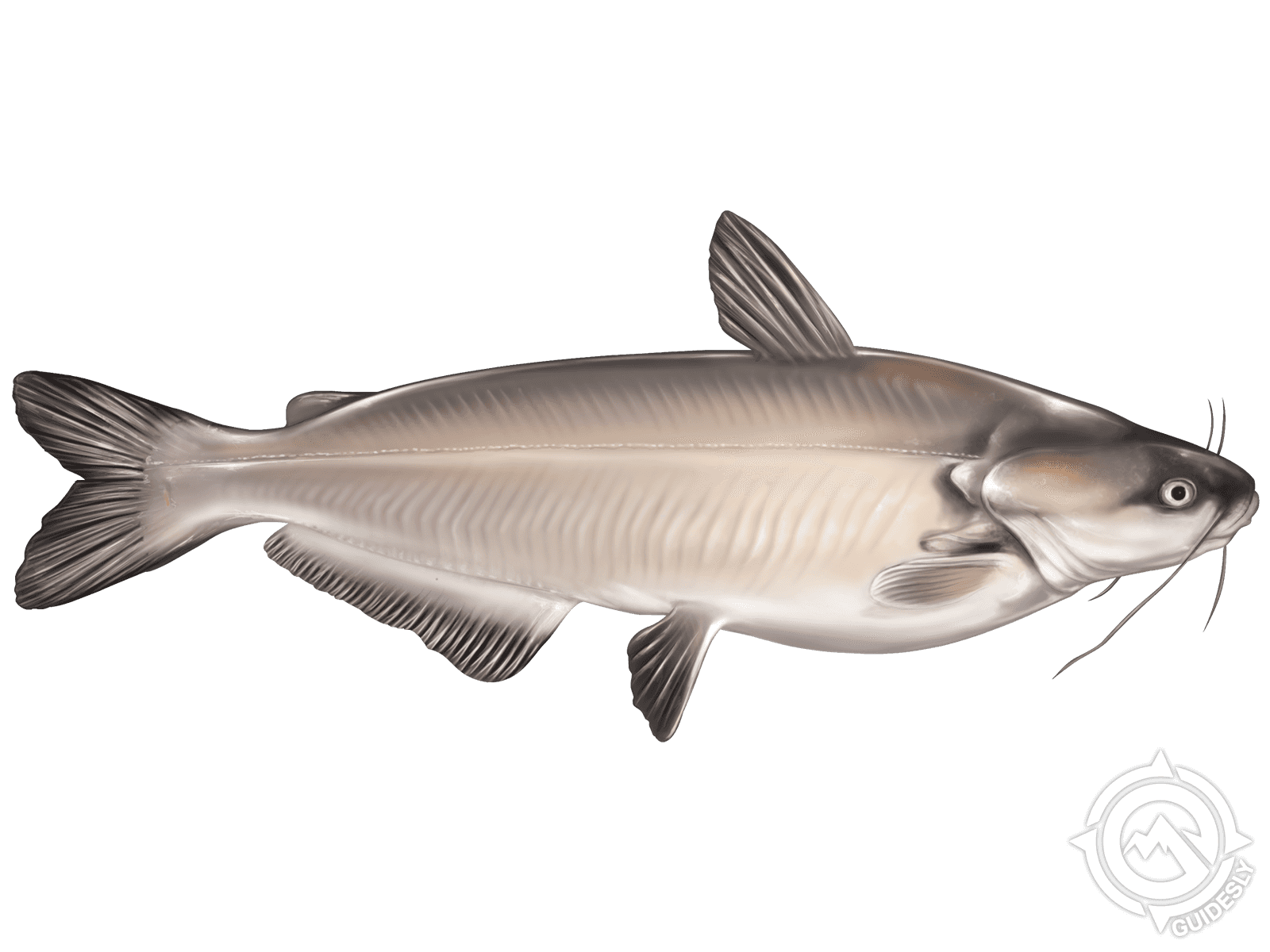
 Blue Catfish
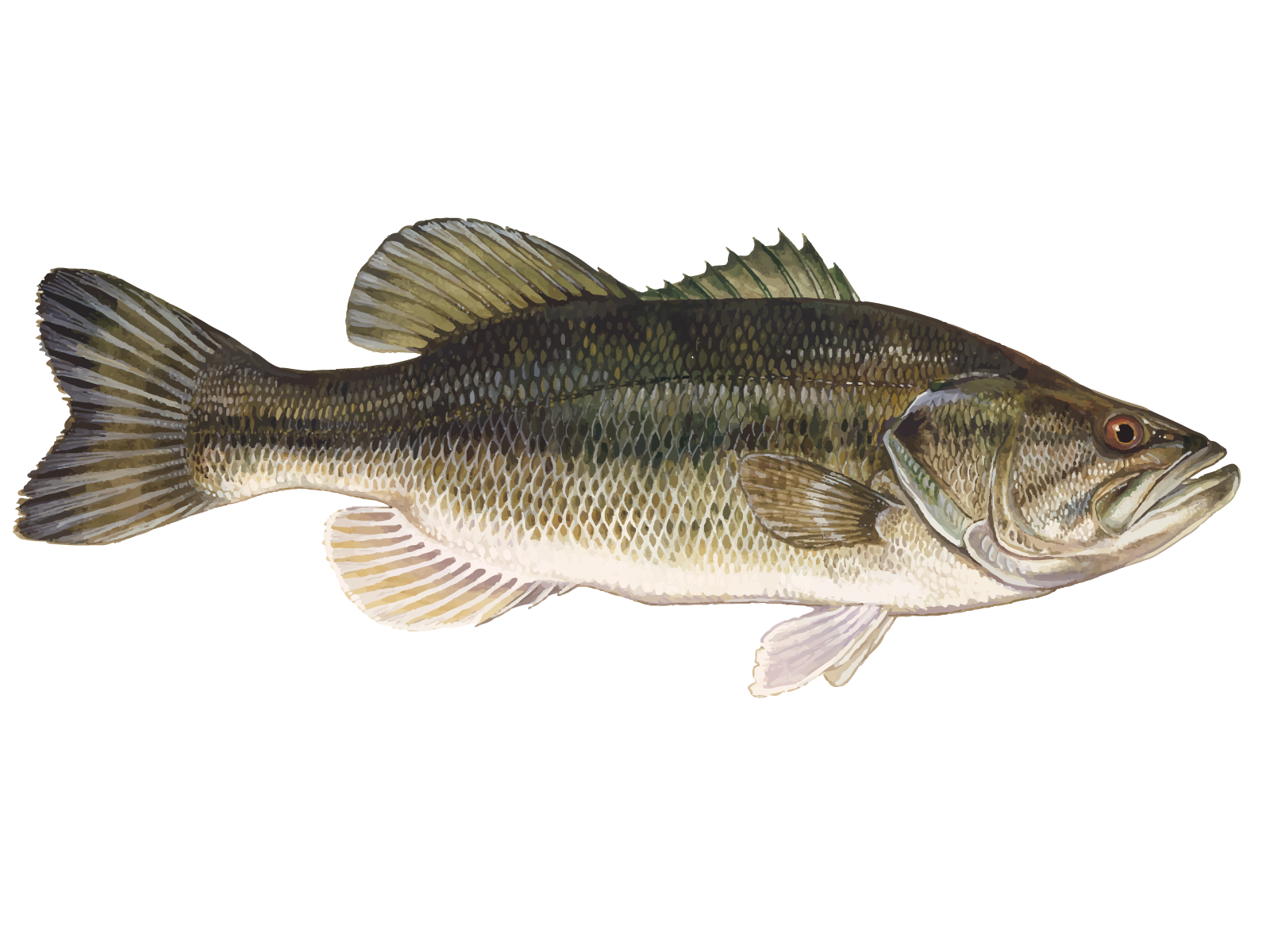 Largemouth Bass
 Smallmouth Bass
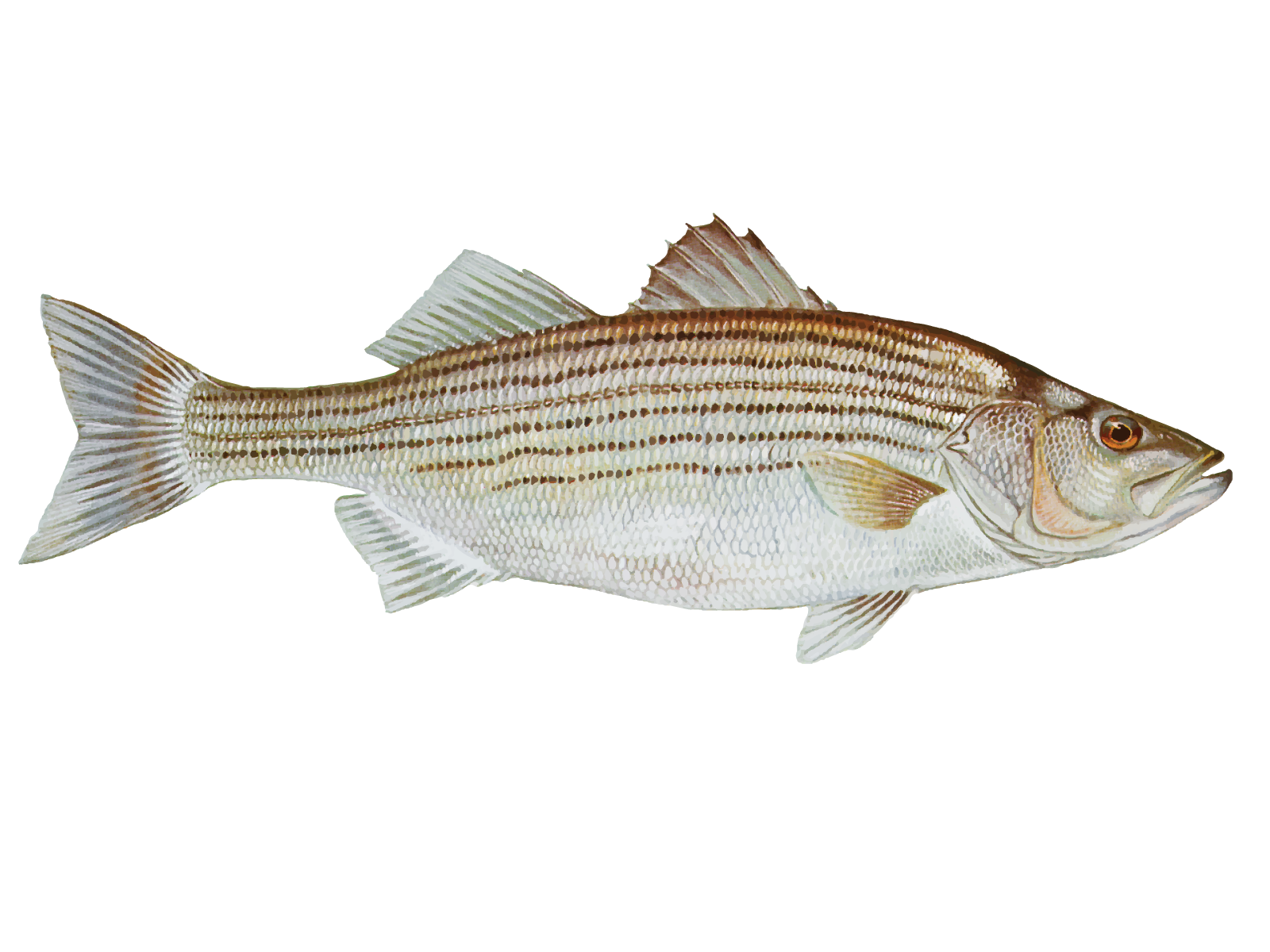 Striped Bass
 White Bass
- Join us for a 6-hour guided fishing adventure on Cherokee Lake, where we'll target striped bass and hybrid bass in some of Tennessee's best fishing waters. Depending on the season, you might also hook into smallmouth and largemouth bass. We start early at 6 AM to catch the fish when they're most active. Your trip includes all rods, reels, bait, and tackle
- just bring your Tennessee fishing license and we'll handle the rest. The lake offers great fishing year-round with plenty of structure and deep water that holds big fish. Our experienced captain knows the best spots and will work hard to put you on the bite. Perfect for anglers wanting to experience what Cherokee Lake is famous for.
Trip Pricing and Availabilities:
6 Hour Cherokee Lake Striped Bass Fishing Trip
Cherokee Lake's reputation for producing monster stripers isn't just talk - it's the real deal. This 6-hour guided adventure puts you right in the heart of Tennessee's premier striped bass fishery, where experienced anglers and first-timers alike consistently hook into fish that'll have them talking for years. Your captain knows these waters like the back of his hand, reading the lake's moods and putting you on active schools when the bite is hot. Early morning departures mean you're fishing during prime feeding times, and with all gear provided, you just need to show up ready to fish.
What to Expect on the Water
Your day starts at 6 AM sharp - Cherokee Lake's stripers are notorious early risers, and that's when the action heats up. The captain will meet you at the launch with everything ready to go: quality rods and reels spooled with the right line, fresh bait, and a tackle box full of proven producers. Cherokee's 28,000 acres give you plenty of room to work, from the main lake points where stripers school up to the creek arms where hybrid bass love to chase shad. The trip accommodates up to 2 anglers comfortably, though you can bring up to 5 people total for an extra $60 per additional person. Don't forget your Tennessee fishing license - you'll need it before you wet a line. The captain handles navigation and fish-finding while you focus on the fun part: fighting fish.
Techniques That Get Results
Cherokee Lake stripers respond to different presentations depending on the season and conditions, and your guide switches tactics to match what's working. Live bait fishing with gizzard shad or skipjack herring produces consistent results, especially when fish are holding deep on structure. When stripers are busting bait on the surface, casting plugs and spoons into the mayhem gets hearts pumping fast. Trolling with umbrella rigs covers water efficiently and locates active schools, while downlining keeps baits in the strike zone along drop-offs and ledges. The boat's electronics help pinpoint fish and bait, but reading the water and understanding seasonal patterns separate good guides from great ones. Your captain brings decades of Cherokee Lake experience to every trip, adjusting techniques throughout the day to keep rods bent.
Species You'll Want to Hook
Striped bass are Cherokee Lake's crown jewel, with fish ranging from schoolie-sized 3-pounders to trophy specimens pushing 40 pounds. These silver bullets hit like freight trains and make blistering runs that test your drag and stamina. Peak striper action typically runs from late fall through early spring when water temperatures drop and baitfish concentrate, though summer fishing can be excellent early and late in the day. What makes Cherokee special is the hybrid bass population - these striper-white bass crosses fight pound-for-pound harder than their pure-bred cousins and school up in incredible numbers during the spawn.
Largemouth bass add variety to your day, especially during spring and fall when they're actively feeding on main lake structure. Cherokee's largemouths average 2-4 pounds but produce surprising numbers of 6-8 pound fish for anglers targeting the right areas. Smallmouth bass prefer the rocky points and bluff walls, ambushing prey with aggressive strikes that rival any fish in the lake. These bronze-backed fighters jump repeatedly and never give up until they're in the net, making them a favorite among visiting anglers.
Blue catfish represent Cherokee's sleeper species - massive bottom-dwellers that occasionally grab striper baits and provide arm-burning battles. These whiskered giants can exceed 50 pounds and fight with bulldozer strength, turning routine fishing trips into epic adventures. White bass round out the target species list, schooling in massive numbers during their spring spawning run and providing non-stop action when located.
Time to Book Your Spot
At $500 for up to 2 anglers with all equipment included, this Cherokee Lake striper trip delivers serious value for serious fishing. The captain's local knowledge and proven techniques give you the best shot at memorable catches, while the 6-hour timeframe allows plenty of opportunities to locate and catch fish. Fish cleaning service is available if you want to take your catch home, and a 20-25% gratuity for your hard-working captain is standard. Cherokee Lake's striper fishing continues year-round with seasonal peaks, so there's never a bad time to experience what this top-rated Tennessee fishery offers. Contact StriperXtreme Guide Service to confirm your departure time and launch location - your personal best might be just one cast away.
Learn more about the species
Blue Catfish
These big bruisers are the heavyweights of Cherokee Lake, often reaching 25-40 pounds and providing serious arm-burning fights. They cruise deeper channels and muddy flats, usually 20-40 feet down near the main lake structure. They bite year-round but summer nights are fantastic when they move shallow to feed. What makes them exciting is their size and power - landing a big blue is always memorable, plus they're outstanding table fare. They're opportunistic feeders that'll hit cut bait, chicken liver, or even live shad. Here's what works: find those deep creek channels where they stage, drop fresh-cut bait to the bottom, and be patient. When a big blue takes your bait, you'll know it.
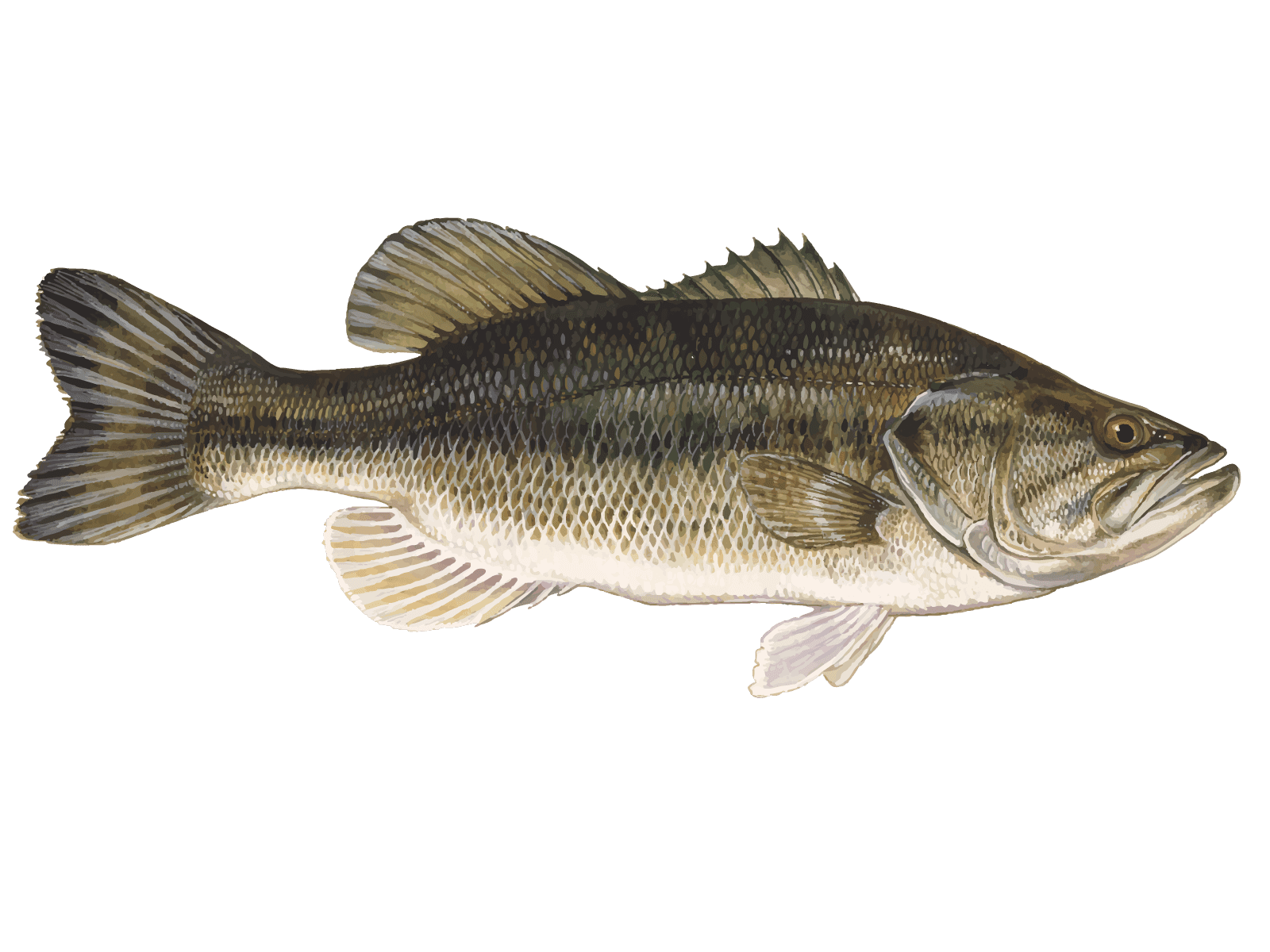
Largemouth Bass
These chunky green fighters are Cherokee Lake favorites, running 12-24 inches and putting up solid fights that'll test your drag. They love hanging around submerged timber, rocky points, and weed beds in 5-15 feet of water. Spring and fall are prime time when they're actively feeding in the shallows, but summer finds them deeper near structure. What makes them special is that aggressive strike and the way they jump when hooked - always keeps things interesting. The meat's decent eating too if you're looking to take some home. Here's a local tip: when you're working those fallen trees along the shoreline, cast past the structure and work your bait back through it - that's where they ambush their prey.
Smallmouth Bass
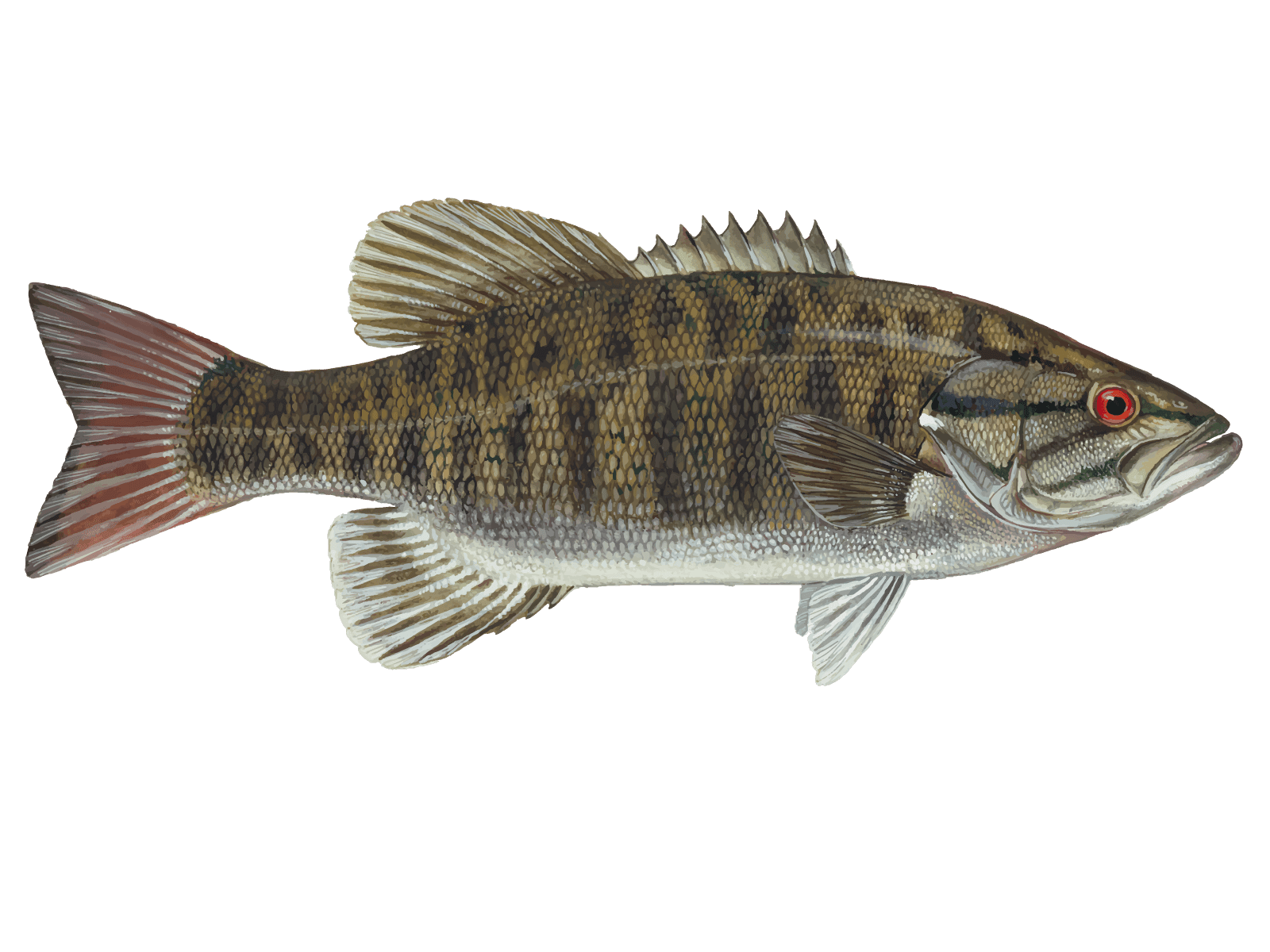
These bronze fighters are pound-for-pound some of the toughest fish in Cherokee Lake, typically running 12-18 inches with plenty of attitude. They prefer rocky structure, bluff walls, and gravel points in 10-25 feet of water - anywhere the bottom's hard. Spring and fall are prime time, but they bite year-round if you adjust your depth. What anglers love is their fight - they jump, dive, and never give up easy. The cooler water here keeps them active and healthy. They're excellent eating with firm, white meat too. My go-to trick is working a tube jig slowly along those rocky banks - let it fall into the cracks and crevices where they hide. Patience pays off with smallmouth.
Striped Bass
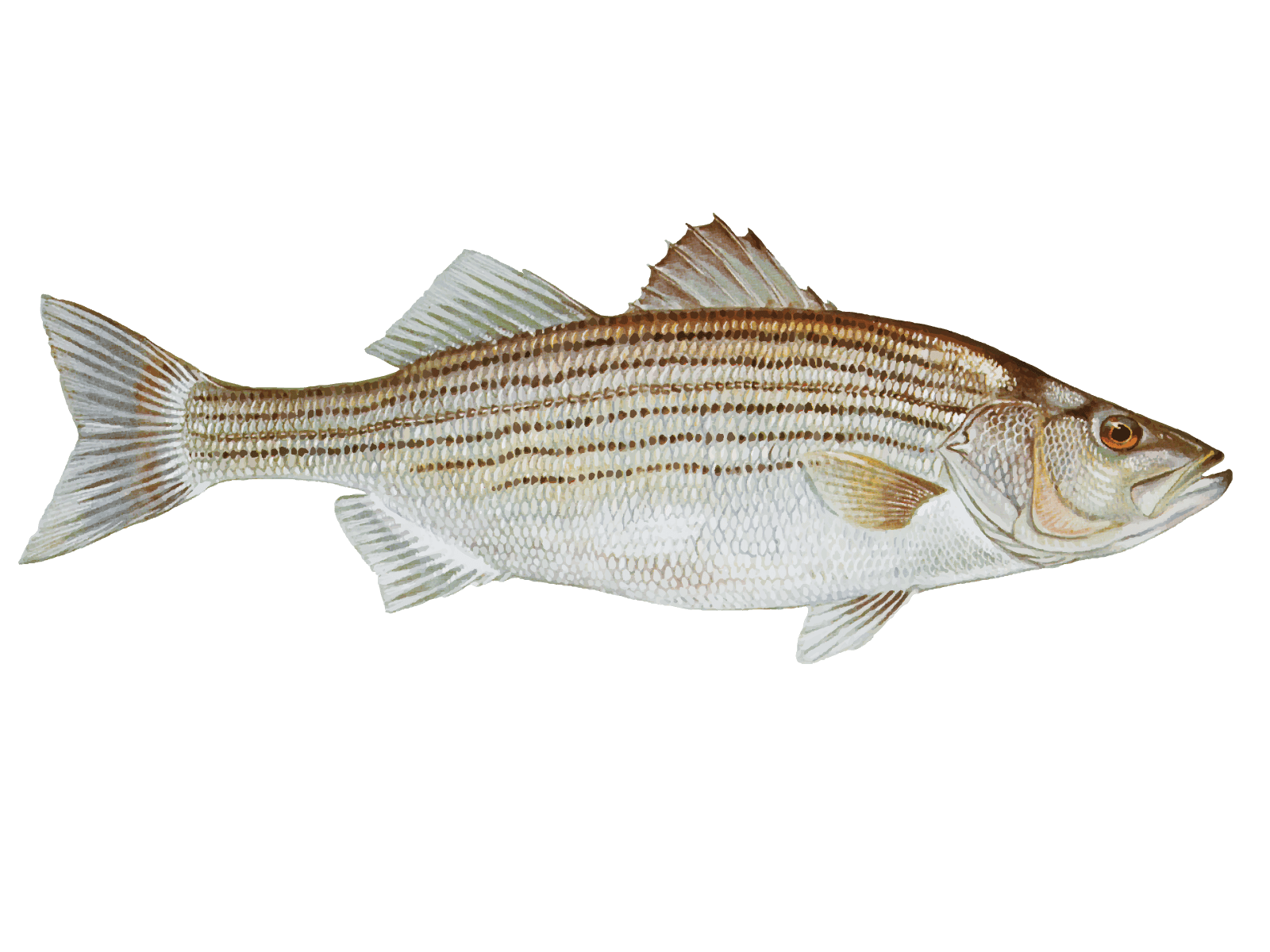
The main attraction here - these powerful fish average 20-40 pounds on Cherokee Lake and can really test your equipment. They roam open water chasing schools of shad, typically staying 20-40 feet deep near channel drops and points. Early morning and late evening are prime times, especially during spring and fall when they're most active. What makes stripers special is that incredible fight - they'll make long runs and really get your heart pumping. Plus, the meat is top-notch eating. They're structure-oriented, so we'll work areas where the bottom changes or near submerged humps. Local secret: when the water temp hits that 65-68 degree sweet spot, focus on the creek mouths where they ambush baitfish.
White Bass
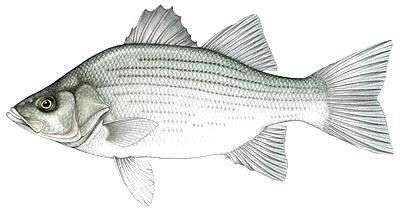
These silver schooling fish run 10-12 inches on average and travel in packs, making them a blast when you find them. Look for them in open water over deeper channels, usually 15-25 feet down, but they'll push baitfish to the surface during feeding frenzies. Spring and early summer are best when they're most active, especially around dawn and dusk. What guests love is the non-stop action - when you find a school, you can catch them one after another. They're aggressive fighters for their size and make excellent table fare with sweet, flaky meat. Pro tip: watch for birds diving on the surface - that's your sign that white bass are pushing shad up from below. Get there fast and you'll have a ball.
About the StriperXtreme Guide Service
%2F%2Fusers%2Fb5777ef1-ae9a-4698-b3ec-b5740489539c%2Fvehicle_picture%2F482013943_1563948651218007_3429588552433486396_n-picsart-aiimageenhancer-mmd6iyjn.jpg&w=1920&q=75)
Vehicle Guest Capacity: 5
Manufacturer Name: Suzuki
Maximum Cruising Speed: 38
Number of Engines: 1
Horsepower per Engine: 200